Do you love fresh salads? Imagine picking lettuce right from your yard. It tastes so good! Learning how to grow lettuce from seeds is easy. You can have yummy lettuce all season long. Let’s learn about growing your own lettuce.
Lettuce is a great plant for beginners. It grows quickly and doesn’t need much space. Are you ready to start your lettuce garden?
Key Takeaways
- How to grow lettuce from seeds is simple and rewarding for fresh salads.
- Choose the right lettuce variety and planting time for your local climate.
- Provide well-drained soil, consistent moisture, and partial shade for best growth.
- Harvest lettuce leaves regularly to encourage continued production.
- Protect young lettuce plants from pests like slugs and aphids.
How to Start Lettuce From Seeds Indoors
Starting lettuce seeds indoors can give you a head start. This is helpful if you live where it gets cold early. You can start seeds about four to six weeks before the last frost. Use small pots or seed trays. Fill them with good potting mix. Make sure the mix is damp but not too wet. Gently press the lettuce seeds into the soil. Cover them lightly with more soil. Keep the soil moist. Put the trays in a warm place. The seeds should sprout in about a week. Once they have a few leaves, you can move them to bigger pots. This gives them more room to grow before planting outside. Remember to harden them off before transplanting.
- Start seeds indoors 4–6 weeks before the last frost.
- Use seed trays and good potting mix.
- Keep soil damp and warm for best sprouting.
- Move seedlings to bigger pots as they grow.
- Harden off seedlings before planting outside.
Growing lettuce indoors lets you control the environment. You can keep the temperature just right. You can also protect the seedlings from pests. Sometimes, little bugs can eat the young plants. By starting indoors, you give your lettuce a better chance. When the weather outside is warm enough, you can move them to your garden. Make sure to pick a spot with good soil and some shade. Water them regularly, and you’ll have fresh lettuce in no time. Learning how to grow lettuce from seeds indoors is a great skill for any gardener.
Fun Fact or Stat: Did you know that lettuce seeds germinate best at temperatures between 60–70°F (15–21°C)?
What Type of Container to Use?
Choosing the right container is important. Small pots work well for starting lettuce seeds. You can also use seed trays with individual cells. These help keep the seedlings separate. Make sure the containers have drainage holes. This lets extra water drain out. If the soil stays too wet, the seeds can rot. Peat pots are another good option. You can plant the whole pot in the ground. This reduces stress on the roots. Recycled containers can also work. Just make sure they are clean. No matter what you choose, good drainage is key. Have you ever thought about how a small container can make a big difference?
How Much Light Do Seedlings Need?
Lettuce seedlings need plenty of light. If you start them indoors, a sunny window may not be enough. You might need to use grow lights. These lights give the seedlings the light they need to grow strong. Place the lights a few inches above the plants. Keep the lights on for about 14–16 hours each day. This will help the seedlings grow quickly and evenly. Without enough light, they can get leggy. Leggy seedlings are weak and thin. They might not survive when you plant them outside. Do you know why light is so important for plants?
How Often Should I Water?
Watering is very important for lettuce seedlings. Keep the soil moist, but not too wet. Water when the top of the soil feels dry to the touch. Use a gentle spray bottle or watering can. This will prevent the seeds from being washed away. Overwatering can lead to problems like damping off. Damping off is a fungal disease that can kill young seedlings. Underwatering can cause the seedlings to dry out and die. Finding the right balance is key. Have you ever wondered how much water tiny plants need?
When to Plant Lettuce Seeds Outdoors
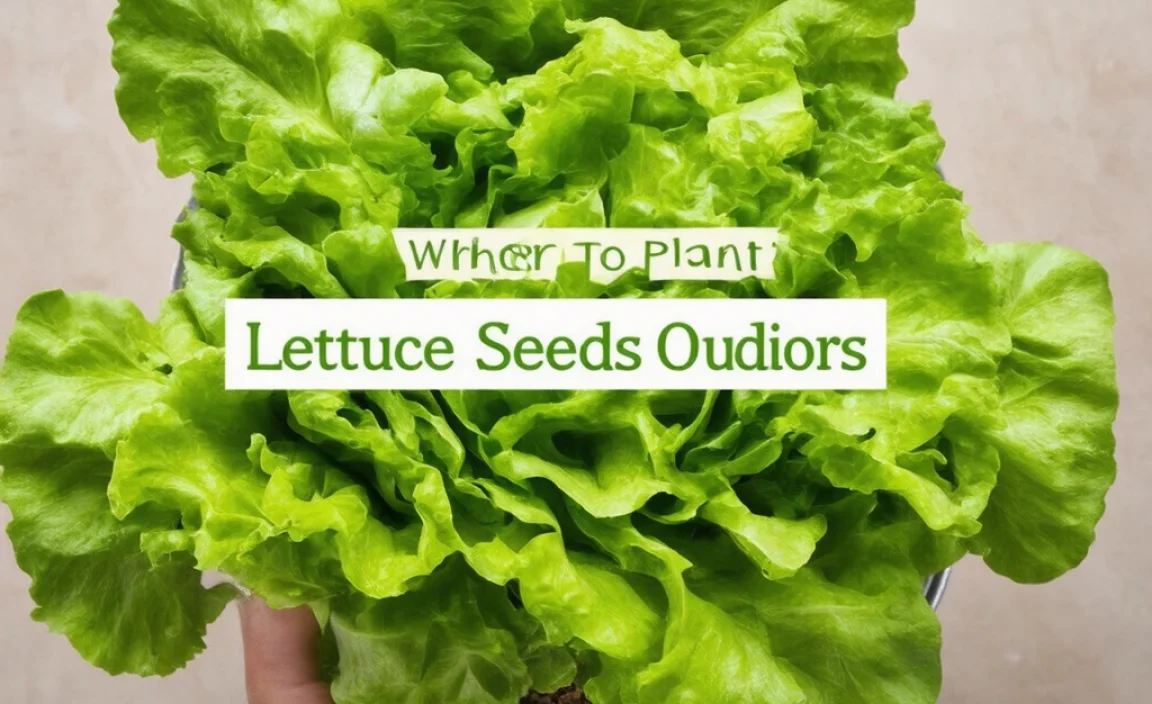
Knowing when to plant lettuce seeds outdoors is important. Lettuce likes cool weather. Plant seeds in early spring or late summer. This avoids the hot summer months. Check your local weather for the last frost date. Plant a few weeks before that date. You can also plant in late summer for a fall harvest. The soil should be workable. It should not be frozen or too wet. Prepare the soil by adding compost. This will help the lettuce grow strong. Plant the seeds about half an inch deep. Space them about an inch apart. Water gently after planting. Keep the soil moist until the seeds sprout. Planting at the right time makes a big difference.
- Plant lettuce in early spring or late summer.
- Avoid planting during the hot summer months.
- Check the last frost date for your area.
- Prepare the soil with compost before planting.
- Water gently and keep the soil moist.
Planting lettuce at the right time ensures a good harvest. If you plant too late in the spring, the hot weather can make the lettuce bitter. If you plant too early, a late frost can kill the young plants. Timing is everything. Consider using a row cover to protect the seedlings from frost. A row cover is a lightweight fabric that you can place over the plants. It helps to keep them warm. How to grow lettuce from seeds successfully depends on paying attention to the weather and the seasons. With a little planning, you can have fresh lettuce all season long.
Fun Fact or Stat: Lettuce can tolerate light frost, but temperatures below 28°F (-2°C) can damage the leaves.
Checking Your Local Weather
Checking your local weather is very important. You need to know when the last frost date is. This will help you plan when to plant your lettuce. Look at the long-range forecast. This can give you an idea of what the weather will be like in the coming weeks. Pay attention to any warnings about frost or extreme temperatures. If there is a chance of frost, you can cover your plants. This will protect them from the cold. Weather patterns can change quickly. Staying informed will help you have a successful garden. Have you ever been surprised by a sudden change in the weather?
Soil Preparation for Outdoor Planting
Good soil preparation is key for growing lettuce. Lettuce needs soil that drains well. It also needs soil that is rich in nutrients. Start by removing any weeds or rocks from the planting area. Add compost or other organic matter to the soil. This will help improve drainage and add nutrients. Mix the compost into the soil well. Rake the soil smooth before planting. You can also add a slow-release fertilizer. This will give the lettuce plants a boost. Well-prepared soil will help your lettuce grow strong and healthy. Did you know that healthy soil can help plants resist diseases?
Spacing Between Plants
Spacing is important when planting lettuce. Give each plant enough room to grow. If the plants are too close together, they will compete for resources. They might not grow as well. Check the seed packet for spacing recommendations. Generally, you should space lettuce plants about 6 to 12 inches apart. This will give them enough room to spread out. If you are growing head lettuce, you will need more space. If you are growing leaf lettuce, you can plant them closer together. Proper spacing will help your lettuce plants thrive. Have you ever seen plants crowded together in a garden?

Choosing the Right Lettuce Variety
Choosing the right lettuce variety is key. There are many types of lettuce to pick from. Some grow well in cool weather. Others can handle warmer temperatures. Leaf lettuce is easy to grow. It has loose leaves that you can harvest as needed. Romaine lettuce forms a tall, upright head. Butterhead lettuce has soft, buttery leaves. Crisphead lettuce, like iceberg, is crunchy and forms a tight head. Think about what kind of lettuce you like to eat. Also, consider your local climate. Some lettuce types do better in certain areas. Read the seed packets to learn about each variety. This helps you choose the best one for your garden.
- Leaf lettuce is easy to grow and harvest.
- Romaine lettuce forms a tall, upright head.
- Butterhead lettuce has soft, buttery leaves.
- Crisphead lettuce forms a tight, crunchy head.
- Consider your local climate when choosing.
When deciding how to grow lettuce from seeds, the variety matters. Some varieties are more resistant to pests and diseases. Others are slower to bolt, which means they won’t turn bitter as quickly in warm weather. Look for varieties that are recommended for your region. You can ask your local garden center for advice. They can help you choose the best lettuce for your area. Don’t be afraid to try different varieties. You might find a new favorite. Growing lettuce should be fun and rewarding. With the right variety, you can enjoy fresh salads all season long.
Fun Fact or Stat: There are over 100 different varieties of lettuce!
Leaf Lettuce Varieties
Leaf lettuce is a popular choice for home gardens. It’s easy to grow and harvest. You can pick the leaves as you need them. This type of lettuce doesn’t form a head. Instead, it has loose leaves that grow from a central stem. Some popular leaf lettuce varieties include Black Seeded Simpson, Salad Bowl, and Red Sails. Black Seeded Simpson is a classic variety with light green leaves. Salad Bowl is a loose-leaf lettuce with deeply lobed leaves. Red Sails has beautiful red-tinged leaves. All of these varieties are great for salads. Which leaf lettuce variety sounds most appealing to you?
Head Lettuce Varieties
Head lettuce forms a tight, round head. It takes longer to grow than leaf lettuce. Iceberg lettuce is a well-known head lettuce variety. It’s crisp and refreshing. However, it’s not as nutritious as other types of lettuce. Romaine lettuce is another popular head lettuce. It has long, sturdy leaves. It’s often used in Caesar salads. Butterhead lettuce, also known as Boston lettuce, has soft, buttery leaves. It’s more delicate than iceberg or romaine. Head lettuce varieties need more space to grow. They also need more attention to prevent bolting. What’s your favorite way to eat head lettuce?
Romaine Lettuce Varieties
Romaine lettuce is a nutritious and versatile choice. It’s known for its long, upright leaves. It’s a key ingredient in Caesar salads. There are several different romaine lettuce varieties. Some are more heat-tolerant than others. Parris Island Cos is a classic romaine variety. It’s known for its crisp, flavorful leaves. Jericho romaine is a heat-tolerant variety. It’s a good choice for warmer climates. Little Gem romaine is a smaller variety. It’s perfect for small gardens. Romaine lettuce is a great source of vitamins and minerals. Have you ever tried grilling romaine lettuce?
Caring for Lettuce Plants
Caring for lettuce plants is simple. Lettuce needs regular watering. Keep the soil moist, but not soggy. Water deeply when the top inch of soil feels dry. Avoid overhead watering. This can lead to fungal diseases. Lettuce also needs some shade. In hot weather, provide afternoon shade. This will prevent the leaves from wilting and turning bitter. Weed regularly around the lettuce plants. Weeds can steal nutrients and water from the lettuce. Fertilize the lettuce every few weeks. Use a balanced fertilizer or compost tea. Watch out for pests like slugs and aphids. These can damage the leaves. With proper care, your lettuce will thrive.
- Water regularly to keep soil moist.
- Provide afternoon shade in hot weather.
- Weed regularly around the plants.
- Fertilize every few weeks for healthy growth.
- Watch out for pests like slugs and aphids.
Knowing how to grow lettuce from seeds also means knowing how to care for the plants. Consistent care will result in a bigger harvest. Check your lettuce plants daily. Look for any signs of problems. Yellowing leaves can indicate a nutrient deficiency. Holes in the leaves can mean pests. Addressing problems early can prevent them from spreading. Remember to harvest your lettuce regularly. This will encourage the plants to produce more leaves. With a little attention, you can enjoy fresh lettuce all season long. Gardening is a rewarding hobby that provides fresh, healthy food.
Fun Fact or Stat: Lettuce is about 95% water, making it a very hydrating vegetable!
Watering Needs for Lettuce
Lettuce needs consistent moisture to grow well. Water deeply whenever the top inch of soil feels dry. Avoid letting the soil dry out completely. This can stress the plants and cause them to bolt. Water in the morning. This gives the leaves time to dry before nightfall. Wet leaves can attract fungal diseases. Use a soaker hose or drip irrigation. These methods deliver water directly to the roots. Avoid overhead watering. If you must water overhead, do it early in the day. Pay attention to the weather. Water more often during hot, dry spells. How do you know when your lettuce plants need water?
Protecting Lettuce From Pests
Pests can be a problem for lettuce plants. Slugs and snails love to eat lettuce leaves. Aphids can suck the sap from the leaves. This can weaken the plants. There are several ways to protect your lettuce from pests. You can use traps to catch slugs and snails. You can also handpick them off the plants. Insecticidal soap can kill aphids. You can also use a strong stream of water to wash them off. Row covers can prevent pests from reaching the plants. Check your lettuce plants regularly for signs of pests. Addressing problems early can prevent them from spreading. What are some natural ways to control pests in your garden?
Dealing with Common Lettuce Diseases
Lettuce can be affected by several diseases. These diseases can cause spots on the leaves or root rot. Proper watering and good air circulation can help prevent diseases. Avoid overhead watering. This can create a moist environment that encourages fungal growth. Space the plants properly to allow for good air circulation. Remove any infected leaves or plants. This can prevent the disease from spreading. Use disease-resistant lettuce varieties. If you have a serious disease problem, you may need to use a fungicide. Always follow the instructions on the label. Have you ever had to deal with plant diseases in your garden?
Harvesting Your Lettuce
Harvesting lettuce is easy and rewarding. You can start harvesting leaf lettuce when the leaves are about 4–6 inches long. Simply cut the outer leaves with a sharp knife or scissors. Leave the inner leaves to continue growing. This allows you to harvest multiple times from the same plant. For head lettuce, wait until the head is firm and fully formed. Cut the head at the base of the plant. Harvest lettuce in the morning. The leaves will be crisper and fresher. Wash the lettuce leaves before eating. Store them in the refrigerator in a plastic bag or container. Properly harvested lettuce will last for several days.
- Harvest leaf lettuce when leaves are 4–6 inches long.
- Cut outer leaves and leave inner leaves to grow.
- Harvest head lettuce when the head is firm.
- Harvest in the morning for crisper leaves.
- Store lettuce in the refrigerator.
Knowing how to grow lettuce from seeds also includes knowing when and how to harvest. Regular harvesting encourages the plants to produce more leaves. If you let the lettuce grow too long, it can become bitter. This is especially true in hot weather. Check your lettuce plants often. Harvest the leaves when they are young and tender. You can use lettuce in salads, sandwiches, and wraps. It’s a healthy and delicious addition to any meal. Enjoy the fruits of your labor. There’s nothing like fresh, homegrown lettuce.
Fun Fact or Stat: Harvesting lettuce in the morning results in crisper leaves because the plant has had all night to hydrate!
When to Start Harvesting
Knowing when to start harvesting is important. You can start harvesting leaf lettuce when the leaves are big enough to eat. This is usually when they are about 4–6 inches long. For head lettuce, wait until the head is firm and fully formed. Gently squeeze the head to check for firmness. If it feels solid, it’s ready to harvest. If it feels loose, give it a few more days. Check your lettuce plants regularly. Harvest when the leaves are at their peak flavor and texture. Harvesting too early or too late can affect the taste and quality. How do you know when your lettuce is ready to harvest?
How to Harvest Leaf Lettuce
Harvesting leaf lettuce is easy. You can harvest the outer leaves as you need them. Use a sharp knife or scissors to cut the leaves. Cut them close to the base of the plant. Leave the inner leaves to continue growing. This allows you to harvest multiple times from the same plant. Avoid pulling the leaves off. This can damage the plant. Harvest the leaves in the morning. They will be crisper and fresher. Wash the leaves before eating. Store them in the refrigerator in a plastic bag or container. What’s your favorite way to eat leaf lettuce?
How to Harvest Head Lettuce
Harvesting head lettuce is a bit different. Wait until the head is firm and fully formed. Use a sharp knife to cut the head at the base of the plant. Cut it close to the ground. Remove any outer leaves that are damaged or wilted. Wash the head before eating. Store it in the refrigerator in a plastic bag or container. Head lettuce can last for several days in the refrigerator. Use it in salads, sandwiches, and wraps. Enjoy the crisp, refreshing taste of homegrown head lettuce. Have you ever grown your own head lettuce?
Troubleshooting Common Lettuce Problems
Even with the best care, lettuce can sometimes have problems. Bolting is a common issue. This is when the lettuce plant sends up a flower stalk. The leaves become bitter and tough. Bolting is often caused by hot weather. To prevent bolting, plant lettuce in the spring or fall. Provide afternoon shade. Water regularly. Another problem is tip burn. This is when the edges of the leaves turn brown. Tip burn is often caused by calcium deficiency. Make sure your soil has enough calcium. Pests and diseases can also cause problems. Inspect your plants regularly and take action quickly. With a little troubleshooting, you can overcome most lettuce problems.
- Bolting causes bitter leaves in hot weather.
- Tip burn causes brown edges on leaves.
- Pests and diseases can damage plants.
- Inspect plants regularly for problems.
- Take action quickly to address issues.
Learning how to grow lettuce from seeds includes knowing how to fix problems. Sometimes, the leaves might turn yellow. This could be a sign of a nutrient deficiency. Try adding some compost or fertilizer to the soil. If you see holes in the leaves, it could be pests. Use insecticidal soap or handpick the pests off the plants. If the leaves are wilting, it could be a sign of underwatering. Water the plants deeply and regularly. Don’t give up if you encounter problems. Gardening is a learning process. With a little patience and persistence, you can grow healthy, delicious lettuce.
Fun Fact or Stat: Bolting lettuce can still be used! The flower stalks are edible and can be cooked like asparagus.
Preventing Lettuce From Bolting
Bolting is a common problem for lettuce growers. It happens when the plant sends up a flower stalk. The leaves become bitter and tough. Bolting is often caused by hot weather. There are several things you can do to prevent bolting. Plant lettuce in the spring or fall. These are cooler times of the year. Choose bolt-resistant varieties of lettuce. Provide afternoon shade for your plants. Water regularly to keep the soil moist. Harvest the leaves frequently. This can help delay bolting. What are some other ways to keep your lettuce cool?
Dealing With Yellowing Leaves
Yellowing leaves can be a sign of several problems. It could be a nutrient deficiency. It could also be a sign of disease. Check the soil to make sure it has enough nutrients. Add compost or fertilizer if needed. Make sure the soil is well-draining. Overwatering can also cause yellowing leaves. Inspect the plants for signs of disease. Remove any infected leaves. Treat the plants with a fungicide if necessary. Address the problem quickly to prevent it from spreading. What are some common nutrient deficiencies in lettuce?
Controlling Pests and Diseases
Pests and diseases can be a major problem for lettuce. They can damage the leaves and weaken the plants. There are several ways to control pests and diseases. Inspect the plants regularly for signs of problems. Remove any infected leaves. Use insecticidal soap to kill aphids and other pests. Use a fungicide to treat fungal diseases. Practice good garden hygiene. Remove weeds and debris from around the plants. This can help prevent pests and diseases from spreading. What are some natural ways to control pests in your garden?
Extending Your Lettuce Harvest
You can extend your lettuce harvest in several ways. Succession planting is a great method. This means planting new seeds every few weeks. This ensures a continuous supply of lettuce. Choose different varieties of lettuce. Some varieties are more heat-tolerant than others. Use row covers to protect plants from frost. A cold frame can also extend the growing season. This is a simple structure that protects plants from cold weather. Harvest lettuce regularly. This encourages the plants to produce more leaves. With a little planning, you can enjoy fresh lettuce for many months.
- Use succession planting for a continuous supply.
- Choose different lettuce varieties.
- Use row covers to protect plants from frost.
- Use a cold frame to extend the season.
- Harvest regularly to encourage more growth.
Knowing how to grow lettuce from seeds means knowing how to keep the harvest going. Consider planting lettuce in containers. You can move the containers to a protected location during cold weather. This can help extend the growing season. Pay attention to the weather forecast. Be prepared to protect your plants from frost or heat. With a little effort, you can enjoy fresh lettuce for most of the year. Gardening is a rewarding hobby that provides fresh, healthy food. What are some other ways to extend your harvest?
Fun Fact or Stat: Succession planting can increase your lettuce yield by up to 50%!
Succession Planting Techniques
Succession planting is a simple way to extend your harvest. Plant new seeds every few weeks. This ensures a continuous supply of lettuce. Start new seeds indoors while your outdoor plants are growing. Transplant the seedlings when the outdoor plants are ready to harvest. Choose varieties that mature at different times. This will help spread out the harvest. Keep track of your planting dates. This will help you plan your succession planting schedule. What are some other crops that you can succession plant?
Using Row Covers and Cold Frames
Row covers and cold frames can protect your plants from frost. Row covers are lightweight fabrics that you can place over your plants. They trap heat and protect the plants from cold weather. Cold frames are simple structures that provide more protection. They are usually made of wood and glass or plastic. Place the cold frame over your plants. This will create a warm, sheltered environment. Use row covers and cold frames in the spring and fall. This will help extend your growing season. What are some other ways to protect your plants from frost?
Choosing Heat-Tolerant Varieties
Some lettuce varieties are more heat-tolerant than others. These varieties are less likely to bolt in hot weather. Jericho romaine is a heat-tolerant romaine variety. Butterhead lettuce is also relatively heat-tolerant. Choose heat-tolerant varieties for summer planting. Provide afternoon shade for your plants. Water regularly to keep the soil moist. Harvest the leaves frequently. This can help delay bolting. What are some other heat-tolerant vegetables?
| Lettuce Type | Planting Season | Best For | Harvest Time |
|---|---|---|---|
| Leaf Lettuce | Spring/Fall | Salads, sandwiches | 40-50 days |
| Romaine Lettuce | Spring/Fall | Caesar salads, wraps | 70-80 days |
| Butterhead Lettuce | Spring/Fall | Salads, delicate dishes | 50-60 days |
| Crisphead Lettuce | Spring | Salads, crunchy texture | 80-90 days |
Summary
Learning how to grow lettuce from seeds is a fun and easy way to have fresh salads. Start by choosing the right lettuce variety for your area. Plant the seeds at the right time of year. Lettuce likes cool weather, so plant in early spring or late summer. Prepare the soil well by adding compost. Water the plants regularly and protect them from pests. Harvest the leaves when they are young and tender. With a little care, you can enjoy fresh lettuce all season long. Remember to plant new seeds every few weeks for a continuous supply.
Growing lettuce from seeds is a rewarding experience. You get to enjoy the fruits of your labor. Fresh, homegrown lettuce tastes so much better than store-bought lettuce. It’s also a healthy and nutritious addition to your diet. So, get out there and start planting! You’ll be amazed at how easy it is to grow your own lettuce.
Conclusion
Growing your own lettuce is a simple and rewarding gardening project. You can enjoy fresh, healthy salads right from your backyard. Choose the right lettuce variety, prepare the soil, and water regularly. Protect your plants from pests and harvest the leaves when they are young and tender. Follow these tips and you’ll have a successful lettuce garden. Learning how to grow lettuce from seeds is a skill that will provide you with fresh greens for many years to come.
Frequently Asked Questions
Question No 1: How long does it take for lettuce seeds to sprout?
Answer: Lettuce seeds usually sprout within 7 to 10 days. Make sure the soil is moist and the temperature is between 60–70°F (15–21°C). If the soil is too cold or too dry, the seeds may take longer to sprout or may not sprout at all. You can also soak the seeds in water for a few hours before planting. This can help speed up the sprouting process. Keep the soil consistently moist until the seedlings emerge. Once the seedlings have sprouted, provide them with plenty of light. Remember, how to grow lettuce from seeds starts with proper germination.
Question No 2: Can I grow lettuce in containers?
Answer: Yes, you can definitely grow lettuce in containers! Lettuce is a great plant for container gardening. Choose a container that is at least 6 inches deep. Make sure it has drainage holes. Use a good quality potting mix. Water the plants regularly and fertilize them every few weeks. Place the container in a sunny location. You can grow lettuce on a balcony, patio, or even indoors with grow lights. Container gardening is a great way to grow lettuce if you don’t have a lot of space. Growing in containers also makes it easier to protect your lettuce from pests. Remember to choose a container that is large enough for the lettuce to grow properly. Knowing how to grow lettuce from seeds in containers opens up gardening possibilities.
Question No 3: How often should I water my lettuce plants?
Answer: Lettuce plants need consistent moisture. Water them whenever the top inch of soil feels dry. Water deeply, so the water reaches the roots. Avoid overhead watering, as this can lead to fungal diseases. Water in the morning, so the leaves have time to dry before nightfall. During hot weather, you may need to water more often. Check the soil regularly to make sure it is not too dry or too wet. Overwatering can also be harmful to lettuce plants. Adjust your watering schedule based on the weather and the condition of the soil. How to grow lettuce from seeds successfully involves careful watering.
Question No 4: What are some common pests that attack lettuce?
Answer: Several pests can attack lettuce plants. Slugs and snails are common culprits. They chew holes in the leaves. Aphids are small, soft-bodied insects that suck the sap from the leaves. Cabbage loopers are green caterpillars that can defoliate lettuce plants. To control these pests, you can use traps, handpick them off the plants, or use insecticidal soap. Row covers can also prevent pests from reaching the plants. Inspect your lettuce plants regularly for signs of pests. Addressing problems early can prevent them from spreading and causing serious damage. Don’t let pests ruin your lettuce crop. Learning how to grow lettuce from seeds also means learning pest control.
Question No 5: How do I prevent my lettuce from bolting?
Answer: Bolting is when lettuce plants send up a flower stalk. The leaves become bitter. Bolting is often caused by hot weather. To prevent bolting, plant lettuce in the spring or fall. These are cooler times of the year. Choose bolt-resistant varieties of lettuce. Provide afternoon shade for your plants. Water regularly to keep the soil moist. Harvest the leaves frequently. This can help delay bolting. If your lettuce does bolt, you can still harvest the leaves, but they may not taste as good. Planting at the right time and choosing the right variety are key to preventing bolting. With proper care, you can enjoy fresh lettuce all season long. Consider these factors when thinking about how to grow lettuce from seeds.
Question No 6: Can I save seeds from my lettuce plants?
Answer: Yes, you can save seeds from your lettuce plants! However, it’s important to know that lettuce is often cross-pollinated. This means that the seeds may not be true to type. If you want to save seeds, choose an open-pollinated variety. Allow the plant to bolt and produce flowers. The flowers will eventually turn into seed heads. Once the seed heads are dry and brown, you can harvest the seeds. Store the seeds in a cool, dry place. You can plant them the following year. Saving seeds is a great way to preserve your favorite lettuce varieties. Just be aware that the offspring may not be exactly like the parent plant. Knowing how to grow lettuce from seeds includes understanding seed saving.

