Have you ever seen a garden bursting with colors? Do you want to make your own beautiful flower garden? It’s easier than you think! Learning how to plant flowers in a garden bed can be a fun project. You can create a lovely space that attracts bees and butterflies.
Planting flowers is a great way to brighten up your yard. It also helps the environment. Imagine the joy of seeing your flowers bloom. Let’s learn how to do it!
Key Takeaways
- Knowing how to plant flowers in a garden bed will bring beauty to your home.
- Choose the right flowers for your area to ensure they grow well.
- Prepare your garden bed with good soil and proper drainage.
- Water your flowers regularly to help them thrive.
- Add compost to your soil to give your flowers extra nutrients.
How to Choose Flowers for Your Garden Bed
Choosing the right flowers is the first step. Think about where you live. Some flowers like hot weather. Others prefer cooler temperatures. Sun is also important. Some flowers need lots of sun. Others grow better in the shade. Ask yourself, what colors do you like? Do you want tall flowers or short ones? Do you want flowers that bloom all summer? Answering these questions will help you pick the perfect flowers. Check plant labels for information. They tell you about sun, water, and soil needs. Talk to someone at a garden store. They can give you good advice. Consider native flowers. These flowers grow naturally in your area. They are often easier to care for. They also help local bees and butterflies.
- Consider your local climate.
- Think about the amount of sunlight.
- Choose colors you like.
- Read plant labels carefully.
- Ask for advice at a garden store.
Picking the right flowers makes a big difference. Happy flowers make a happy garden. If you pick flowers that like your garden’s conditions, they will grow better. This means more blooms and less work for you. It’s like giving your flowers a good home. They will thank you with their beautiful colors and sweet smells. Do some research before you buy. This will help you make good choices. Soon, your garden bed will be full of life and beauty. You’ll be so proud of what you created. Remember, even mistakes can teach you something new about how to plant flowers in a garden bed.
What Kind of Soil Do Flowers Need?
Do you know that soil is like food for plants? Plants need good soil to grow big and strong. Some soils are sandy. Some are clay-like. Flowers like soil that is loose and drains well. Good soil has nutrients that flowers need. These nutrients help flowers grow. You can buy good soil at a store. You can also make your own. Add compost to your soil. Compost is made from old leaves and food scraps. It makes the soil rich. Test your soil to see what it needs. You can buy a soil test kit. The kit will tell you if your soil is good for flowers. If not, you can add things to make it better. Healthy soil means healthy flowers.
How Much Sun Do Flowers Need?
Imagine you are a flower. Would you rather sit in the sun or the shade? Most flowers love the sun. They need sunlight to make food. This food helps them grow tall and bloom. Some flowers need at least six hours of sun each day. These are called “full sun” flowers. Other flowers like a little shade. These are called “partial shade” flowers. Check the plant label to see how much sun your flower needs. If you plant a sun-loving flower in the shade, it might not bloom. If you plant a shade-loving flower in the sun, it might get burned. Pay attention to where the sun shines in your garden. This will help you choose the right spot for each flower.
What Colors Should You Choose?
Have you ever seen a rainbow? It has so many beautiful colors. Your flower garden can be like a rainbow too! Think about what colors make you happy. Do you like bright, bold colors? Or do you prefer soft, gentle colors? You can mix and match colors. Some colors look good together. For example, blue and yellow are a nice combination. Red and green can also look good. White flowers can make other colors stand out. You can also choose flowers that bloom in different seasons. This way, your garden will have color all year long. Don’t be afraid to try new things. Gardening is all about experimenting and having fun. Your flower bed will look awesome.
Fun Fact or Stat: Did you know that the color of a flower can attract different types of pollinators, like bees and butterflies? Red flowers often attract hummingbirds!
Prepare Your Garden Bed for Planting
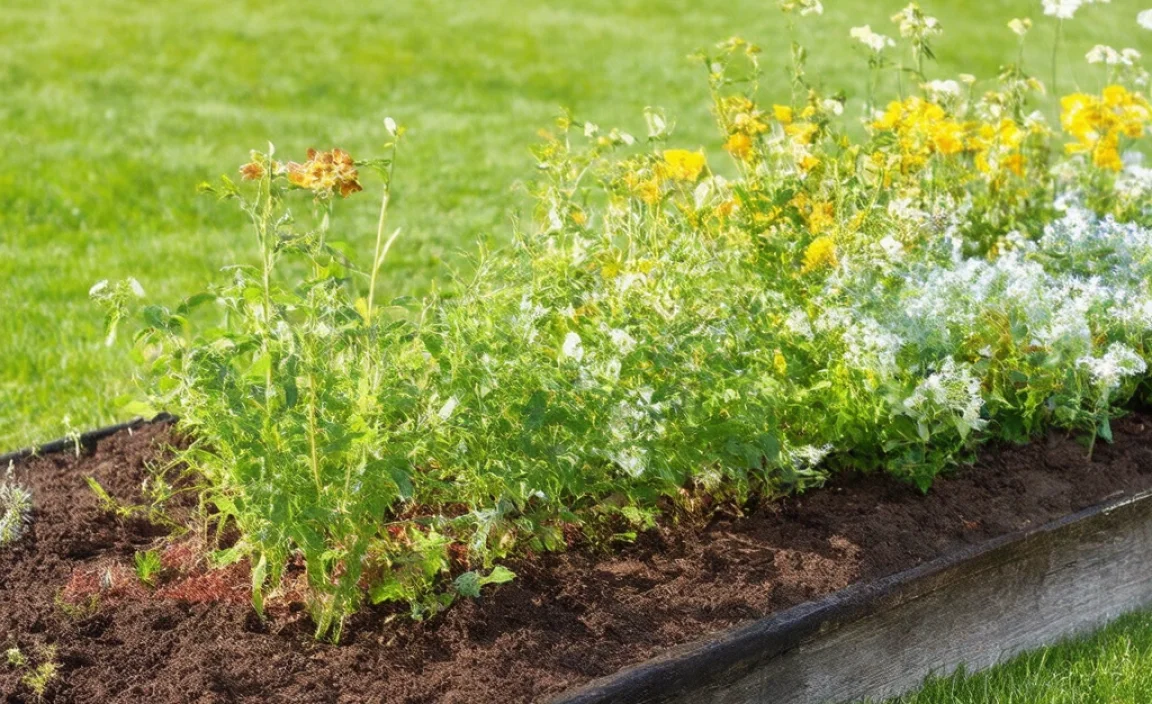
Preparing your garden bed is like getting ready for a party. You need to make sure everything is clean and ready. First, clear the area. Remove any weeds, rocks, or old plants. Weeds steal nutrients from your flowers. Rocks can make it hard for roots to grow. Next, loosen the soil. Use a shovel or garden fork. This helps the roots spread easily. Add compost or other organic matter. This makes the soil rich and healthy. Water the soil well. This helps it settle. Now your garden bed is ready for planting! Preparing the soil well ensures your flowers have the best start possible. This simple step greatly improves how to plant flowers in a garden bed and helps them flourish.
- Remove weeds and rocks.
- Loosen the soil.
- Add compost or organic matter.
- Water the soil.
- Make sure the soil drains well.
Preparing your garden bed is more than just clearing the ground. It’s about creating a good home for your flowers. Think of it as building a strong foundation for a house. The better the foundation, the stronger the house. The same is true for your flowers. Good soil helps them grow strong roots. Strong roots help them get water and nutrients. This leads to healthy, beautiful flowers. Take your time and do it right. Your flowers will thank you for it. You will also have less work later on. A well-prepared garden bed is the key to a successful flower garden. Enjoy the process and watch your flowers thrive.
Why is Soil Drainage Important?
Have you ever seen a puddle after it rains? That’s what happens when soil doesn’t drain well. Flower roots don’t like to sit in water. It can cause them to rot. Good drainage means the water flows away quickly. You can improve drainage by adding sand or gravel to the soil. Raised garden beds also help with drainage. If your soil is mostly clay, it might not drain well. Clay soil holds a lot of water. Mix in some compost to help break up the clay. Well-drained soil is essential for healthy flower growth. Always check that your soil drains well before you plant.
How to Test Your Soil’s pH Level
Did you know that soil can be acidic or alkaline? This is called the pH level. Most flowers like soil that is slightly acidic. You can test your soil’s pH level with a kit. The kit tells you if your soil is too acidic or too alkaline. If it is too acidic, you can add lime. If it is too alkaline, you can add sulfur. You can buy these at a garden store. The right pH level helps flowers absorb nutrients. It’s like giving them the right kind of food. Test your soil before you plant. This will help you grow healthy flowers.
What are Raised Garden Beds?
Imagine building a garden bed on top of the ground. That’s what a raised garden bed is. It’s like a big box filled with soil. Raised beds are good for areas with poor soil. They also help with drainage. You can build a raised bed out of wood or stone. Fill it with good quality soil. Raised beds are easier on your back. You don’t have to bend over as much to garden. They also keep weeds out. Raised garden beds can make gardening easier and more enjoyable. Give it a try and see for yourself.
Fun Fact or Stat: Adding coffee grounds to your garden bed can help increase acidity, which some flowers love! Just don’t add too much.
Planting Your Flowers in the Garden Bed
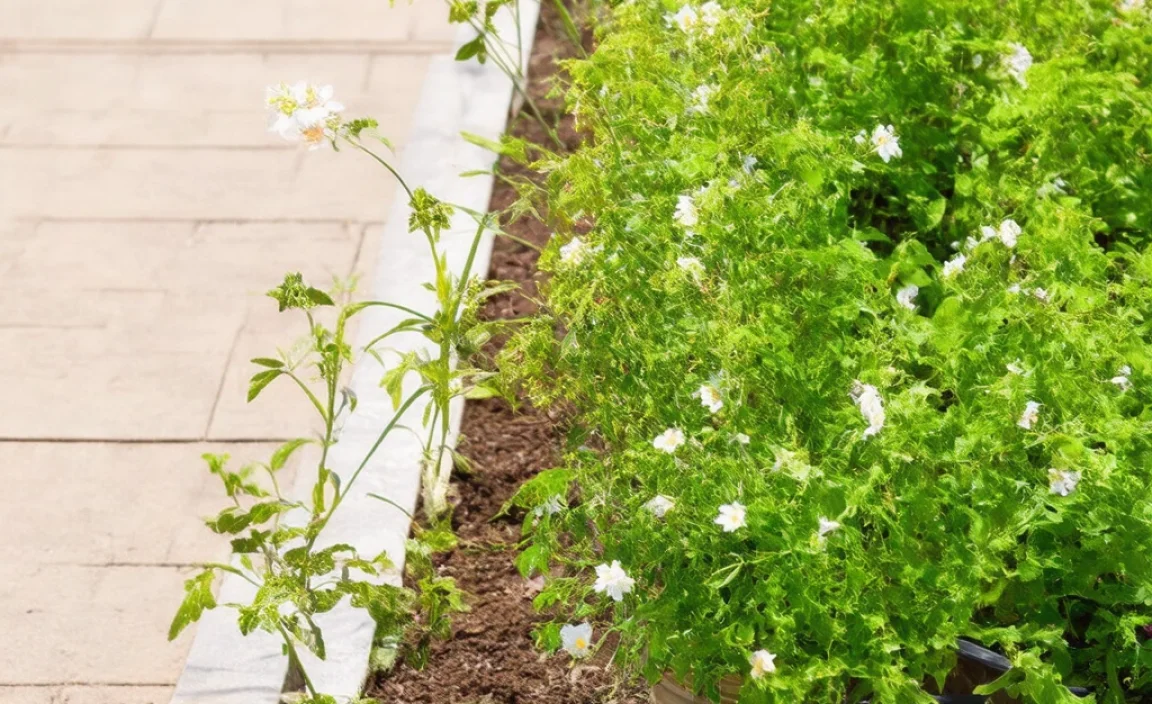
Now comes the fun part! It’s time to plant your flowers. First, dig a hole. Make it big enough for the flower’s roots. Gently take the flower out of its container. Loosen the roots a little. Place the flower in the hole. Make sure the top of the root ball is level with the ground. Fill the hole with soil. Gently pat the soil down. Water the flower well. Add a layer of mulch around the flower. Mulch helps keep the soil moist. It also helps prevent weeds. Follow the instructions on the plant label for spacing. Give your flowers some room to grow. Planting your flowers carefully will help them thrive and beautify your garden.
- Dig a hole big enough for the roots.
- Gently remove the flower from its container.
- Loosen the roots.
- Place the flower in the hole.
- Water the flower well.
Planting flowers is like tucking them into bed. You want them to feel comfortable and secure. Don’t squish the roots when you plant. Give them plenty of space to spread out. Water is very important after planting. It helps the roots settle in. Mulch is like a blanket for your flowers. It keeps them warm and cozy. Pay attention to the plant labels. They tell you how far apart to plant each flower. If you plant them too close together, they might not have enough room to grow. Take your time and enjoy the process. Planting flowers is a rewarding experience. You get to watch them grow and bloom. This is a crucial stage in how to plant flowers in a garden bed.
How Deep Should You Plant Flowers?
Have you ever planted something too deep or too shallow? It’s important to plant flowers at the right depth. The plant label will tell you how deep to plant. Usually, you want the top of the root ball to be level with the ground. If you plant too deep, the stem might rot. If you plant too shallow, the roots might dry out. Dig a hole that is the right depth. Place the flower in the hole. Check to see if it is at the right level. Adjust the soil if needed. Planting at the correct depth helps flowers grow strong and healthy.
What is Mulch and Why Use It?
Imagine covering your garden bed with a blanket. That’s what mulch does. Mulch is a layer of material that you put on top of the soil. It can be made of wood chips, straw, or shredded leaves. Mulch helps keep the soil moist. It also helps prevent weeds from growing. Mulch keeps the soil cool in the summer and warm in the winter. It also adds nutrients to the soil as it breaks down. Add a layer of mulch around your flowers. This will help them grow better. Mulch is a great way to care for your garden.
How Much Space Should You Leave?
Think about how much space you need to run and play. Flowers need space too! If you plant them too close together, they will compete for sunlight and water. This can make them weak and small. Check the plant label for spacing information. It will tell you how far apart to plant each flower. Use a ruler or measuring tape to make sure you have enough space. Give your flowers room to grow. This will help them thrive and bloom beautifully. Proper spacing is key to a healthy flower garden.
Fun Fact or Stat: Some flowers, like sunflowers, can actually follow the sun across the sky during the day!
Watering Your Flowers After Planting
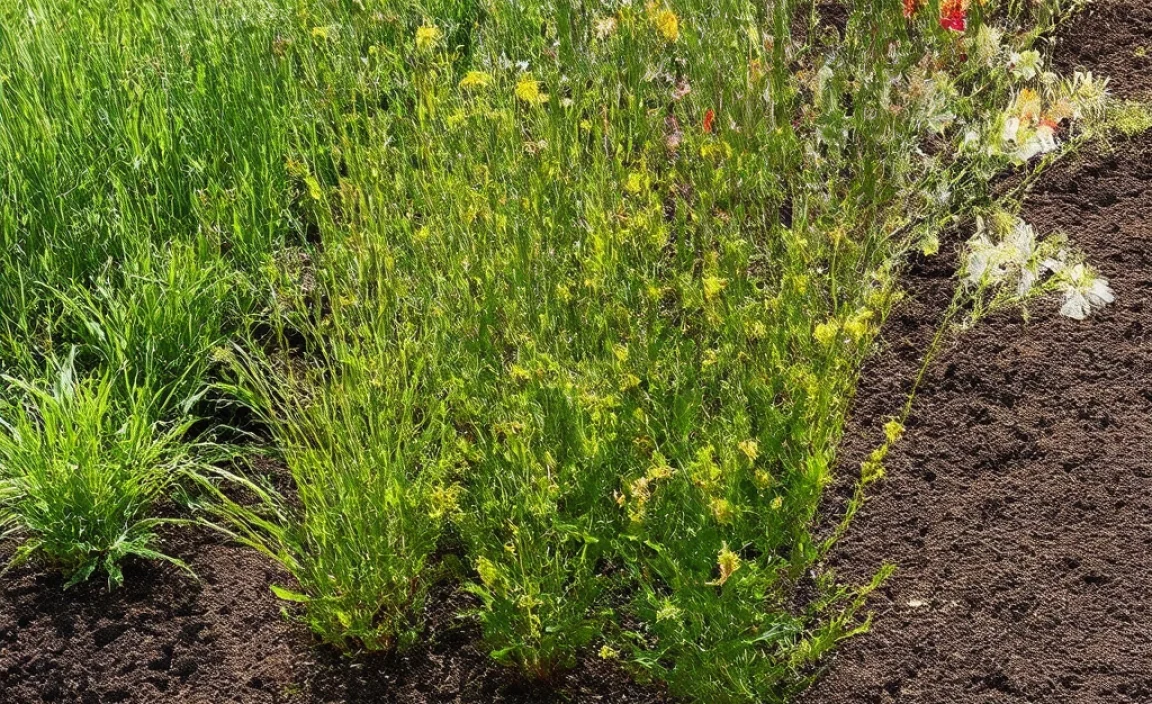
Water is like a drink for your flowers. They need water to grow big and strong. After you plant your flowers, water them well. This helps the roots settle in. Water deeply, so the water reaches the roots. Check the soil regularly to see if it is dry. If the soil is dry, water your flowers again. Don’t overwater your flowers. Too much water can cause the roots to rot. Water in the morning or evening. This helps prevent the water from evaporating in the sun. Watering your flowers properly will help them thrive and bloom beautifully. This is an essential element of how to plant flowers in a garden bed.
- Water deeply after planting.
- Check the soil regularly.
- Water when the soil is dry.
- Water in the morning or evening.
- Avoid overwatering.
Watering your flowers is like giving them a refreshing drink. Just like you need water to stay healthy, flowers need water to grow. Don’t just sprinkle the leaves. Water the soil around the base of the plant. This is where the roots are. The roots will soak up the water and send it to the rest of the plant. Pay attention to the weather. If it is hot and sunny, you will need to water more often. If it is cool and cloudy, you might not need to water as much. Get to know your flowers and their watering needs. This will help you keep them healthy and happy. Proper watering is crucial for a thriving flower garden.
How Often Should You Water Flowers?
Imagine your flowers are thirsty. How often do you need to give them a drink? It depends on the weather and the type of flower. Some flowers need water every day. Others only need water every few days. Check the soil to see if it is dry. If the top inch of soil is dry, it’s time to water. Water deeply, until the water runs out of the bottom of the pot. This ensures the roots get enough water. Don’t water if the soil is already wet. Overwatering can be just as bad as underwatering. Get to know your flowers and their watering needs.
What is Deep Watering?
Have you ever just taken a small sip of water when you were really thirsty? It’s better to drink a whole glass, right? Deep watering is like giving your flowers a whole glass of water. It means watering deeply, so the water reaches the roots. This encourages the roots to grow deep into the soil. Deep roots make the plant stronger and more drought-resistant. Water slowly and deeply. Let the water soak into the soil. Avoid watering quickly, which can cause the water to run off.
Why is Morning or Evening Best?
Think about the hottest part of the day. That’s when the sun is strongest. If you water your flowers in the middle of the day, much of the water will evaporate. This means the flowers won’t get as much water. It’s better to water in the morning or evening. The air is cooler then, so less water will evaporate. The flowers have more time to soak up the water before the sun gets too strong. Watering in the morning or evening is more efficient and helps your flowers stay hydrated.
Fun Fact or Stat: Some flowers, like succulents, can store water in their leaves and stems, allowing them to survive in dry conditions!
Fertilizing Your Flowers for Healthy Growth
Fertilizer is like vitamins for your flowers. It gives them extra nutrients to grow big and strong. You don’t need to fertilize all the time. But it can help if your soil is poor. There are different types of fertilizer. Some are liquid, and some are granular. Follow the instructions on the fertilizer label. Don’t use too much fertilizer. Too much fertilizer can burn the roots. Fertilize your flowers during the growing season. This is when they need the most nutrients. Fertilizing helps your flowers bloom more beautifully. It’s a key part of how to plant flowers in a garden bed and keep them healthy.
| Fertilizer Type | Pros | Cons | Best Use |
|---|---|---|---|
| Liquid Fertilizer | Easy to apply, fast-acting | Needs frequent application | Quick boost for flowering plants |
| Granular Fertilizer | Slow-release, long-lasting | Can be unevenly distributed | General garden use |
| Organic Fertilizer | Improves soil health, eco-friendly | Slower to release nutrients | Long-term soil improvement |
| Compost | Nutrient-rich, improves soil structure | Can be bulky to handle | Soil amendment and feeding plants |
- Use fertilizer to give flowers extra nutrients.
- Follow the instructions on the label.
- Don’t use too much fertilizer.
- Fertilize during the growing season.
- Choose the right type of fertilizer.
Fertilizing your flowers is like giving them a boost of energy. It helps them grow bigger, stronger, and more beautiful. Think of fertilizer as a supplement to the soil. It provides nutrients that might be missing. There are different types of fertilizer. Some are made from natural ingredients. These are called organic fertilizers. Others are made from chemicals. These are called synthetic fertilizers. Both types can be effective. Choose the one that is best for your garden. Always follow the instructions on the label. Too much fertilizer can be harmful. A little fertilizer can go a long way. Regular fertilizing can make a big difference in the health and beauty of your flower garden. Enjoy the process and watch your flowers thrive.
What is NPK?
Have you ever seen the letters NPK on a fertilizer label? They stand for nitrogen, phosphorus, and potassium. These are the three main nutrients that plants need. Nitrogen helps plants grow leaves. Phosphorus helps plants grow roots and flowers. Potassium helps plants stay healthy. The numbers on the fertilizer label tell you how much of each nutrient is in the fertilizer. For example, a fertilizer with the numbers 10-10-10 has 10% nitrogen, 10% phosphorus, and 10% potassium. Choose a fertilizer that has the right balance of NPK for your flowers.
Organic vs. Synthetic Fertilizer: Which is Best?
Imagine you have two different kinds of food. One is natural, and one is made in a factory. Which one is better for you? The same question applies to fertilizer. Organic fertilizer is made from natural ingredients, like compost and manure. Synthetic fertilizer is made from chemicals. Organic fertilizer is better for the soil. It helps improve soil health. Synthetic fertilizer provides nutrients quickly. Both types can be effective. Choose the one that is best for your garden and your preferences. Some gardeners prefer organic fertilizer because it is more environmentally friendly.
How Often Should You Fertilize?
Think about how often you need to eat. Flowers also need to be fed regularly. But not too often! The frequency of fertilization depends on the type of fertilizer and the type of flower. Some fertilizers are slow-release. They release nutrients over a long period of time. These fertilizers only need to be applied once or twice a year. Other fertilizers are fast-release. They release nutrients quickly. These fertilizers need to be applied more often. Check the fertilizer label for instructions. Fertilize during the growing season, when the flowers need the most nutrients.
Fun Fact or Stat: Banana peels are a great source of potassium! You can bury them near your rose bushes to give them a boost.
Dealing with Pests and Diseases
Sometimes, unwanted guests visit your flower garden. These are pests and diseases. Pests are insects that eat your flowers. Diseases are caused by fungi or bacteria. They can make your flowers sick. Check your flowers regularly for pests and diseases. If you see something wrong, take action quickly. There are many ways to control pests and diseases. You can use natural methods, like insecticidal soap. You can also use chemical pesticides and fungicides. Follow the instructions carefully. Preventing pests and diseases is easier than treating them. Keep your garden clean and healthy. This will help keep pests and diseases away. Knowing how to plant flowers in a garden bed includes knowing how to protect them.
- Check your flowers regularly.
- Identify pests and diseases early.
- Use natural methods when possible.
- Follow instructions carefully.
- Keep your garden clean.
Dealing with pests and diseases can be frustrating. But it’s a necessary part of gardening. Think of it as being a doctor for your flowers. You need to diagnose the problem and find the right treatment. Don’t panic if you see a few bugs. Most gardens have some pests. The goal is to keep them under control. There are many resources available to help you identify pests and diseases. Your local garden store can also provide advice. Remember, a healthy garden is less likely to be attacked by pests and diseases. Keep your flowers well-watered, fertilized, and properly spaced. This will help them stay strong and resist problems. Don’t be afraid to ask for help if you need it. Many gardeners are happy to share their knowledge and experience.
What are Common Garden Pests?
Imagine tiny creatures munching on your flowers. These are common garden pests. Aphids are small, soft-bodied insects that suck the sap from plants. They can cause leaves to curl and distort. Slugs and snails are slimy creatures that eat holes in leaves. Caterpillars are the larvae of butterflies and moths. They can defoliate plants quickly. Japanese beetles are shiny, metallic beetles that eat flowers and leaves. These are just a few of the many pests that can attack your garden. Learn to identify them so you can take action quickly.
What are Common Flower Diseases?
Think of diseases as sicknesses that can affect your flowers. Powdery mildew is a fungal disease that causes a white, powdery coating on leaves. Black spot is a fungal disease that causes black spots on leaves. Root rot is a disease that causes the roots to rot. It is often caused by overwatering. Rust is a fungal disease that causes orange or brown spots on leaves. These are just a few of the many diseases that can affect your flowers. Learn to recognize them so you can treat them effectively.
How to Prevent Pests and Diseases Naturally
Imagine creating a shield around your flowers. That’s what natural pest and disease control does. Companion planting is a technique where you plant certain plants together to help each other. For example, marigolds repel many pests. Neem oil is a natural insecticide and fungicide. It can be used to control many pests and diseases. Insecticidal soap is a soap that kills insects on contact. Keeping your garden clean is also important. Remove dead leaves and flowers to prevent the spread of disease. Natural methods are a safe and effective way to protect your flowers.
Fun Fact or Stat: Ladybugs are natural predators of aphids! Attracting ladybugs to your garden can help control aphid populations.
Enjoying Your Beautiful Flower Garden Bed
You did it! You learned how to plant flowers in a garden bed. Now, it’s time to enjoy your beautiful flower garden. Watch your flowers grow and bloom. Notice the different colors and shapes. Attract bees and butterflies to your garden. Cut some flowers to bring inside. Share your flowers with friends and neighbors. Gardening is a rewarding experience. It connects you with nature. It brings beauty to your life. Keep learning and experimenting. There is always something new to discover in the world of gardening. Enjoy the process and the beauty of your flower garden.
- Watch your flowers grow and bloom.
- Attract bees and butterflies.
- Cut flowers to bring inside.
- Share your flowers with others.
- Keep learning and experimenting.
Enjoying your flower garden is more than just looking at it. It’s about connecting with nature. Spend time in your garden. Observe the different plants and animals. Feel the sun on your skin and the breeze in your hair. Gardening is a great way to relax and de-stress. It can also be a great way to exercise. Digging, planting, and watering are all good forms of exercise. Invite friends and family to join you in your garden. Share your knowledge and experience. Gardening is a wonderful way to connect with others. Your flower garden is a place of beauty and peace. Enjoy it to the fullest. Share the joy and beauty with others.
How to Attract Bees and Butterflies
Imagine your garden buzzing with life. That’s what happens when you attract bees and butterflies. Plant flowers that are rich in nectar and pollen. Bees and butterflies need these for food. Choose flowers with bright colors and sweet fragrances. These attract pollinators from far away. Avoid using pesticides. Pesticides can harm bees and butterflies. Provide a source of water. A shallow dish of water with pebbles is perfect. Plant a variety of flowers that bloom at different times of the year. This will provide food for pollinators throughout the growing season. Attracting bees and butterflies is good for your garden and the environment.
How to Cut Flowers for a Vase
Think about bringing the beauty of your garden inside. Cutting flowers for a vase is a great way to do this. Cut the flowers in the morning, when they are fresh and hydrated. Use sharp scissors or a knife. Cut the stems at an angle. This helps the flowers absorb water. Remove any leaves that will be below the water line. These leaves will rot and contaminate the water. Place the flowers in a vase with fresh water. Add flower food to the water. This helps the flowers last longer. Change the water every day or two. Cutting flowers is a great way to enjoy your garden indoors.
How to Deadhead Flowers
Imagine pinching off old, faded flowers. That’s what deadheading is. Deadheading is the process of removing spent flowers. This encourages the plant to produce more flowers. It also keeps the plant looking tidy. Use scissors or your fingers to remove the dead flowers. Cut the stem just below the flower head. Be careful not to damage the plant. Deadheading is a simple way to keep your flowers blooming all season long. It’s like giving them a little encouragement to keep going.
Fun Fact or Stat: A sunflower can have up to 2,000 seeds!
Summary
Learning how to plant flowers in a garden bed is a rewarding experience. First, choose the right flowers for your climate and soil. Prepare your garden bed by removing weeds and adding compost. Plant your flowers carefully, giving them enough space. Water them regularly and fertilize as needed. Watch out for pests and diseases. By following these steps, you can create a beautiful flower garden that you can enjoy all season long. Remember, gardening is a journey. There is always something new to learn. Enjoy the process and the beauty of your flowers.
Conclusion
Planting flowers in a garden bed is a fun and fulfilling activity. You can create a beautiful space with colors and fragrances. Choose the right flowers, prepare your soil, and provide proper care. Watch your garden thrive and enjoy the beauty it brings. Learning how to plant flowers in a garden bed is a skill you can use for years to come. Get started today and create your own floral paradise!
Frequently Asked Questions
Question No 1: What is the best time of year to plant flowers?
Answer: The best time to plant flowers depends on your climate and the type of flower. In general, spring and fall are good times to plant. Spring is a good time to plant annuals that bloom in the summer. Fall is a good time to plant perennials that will bloom the following spring. Check the plant label for specific planting instructions. Consider your local weather conditions. Avoid planting during extreme heat or cold. Planting at the right time will give your flowers the best start.
Question No 2: How do I know if my soil is good for planting flowers?
Answer: Good soil is loose, well-draining, and rich in nutrients. You can test your soil to see if it is suitable for planting flowers. A soil test kit will tell you the pH level and nutrient content of your soil. You can also send a soil sample to a lab for testing. If your soil is not ideal, you can amend it with compost, manure, or other organic matter. Improving your soil will help your flowers grow healthy and strong. Remember that understanding soil conditions is key to how to plant flowers in a garden bed successfully.
Question No 3: How much sunlight do flowers need?
Answer: The amount of sunlight flowers need depends on the type of flower. Some flowers need full sun, which means at least six hours of direct sunlight per day. Other flowers need partial shade, which means four to six hours of sunlight per day. Still others prefer full shade, which means less than four hours of sunlight per day. Check the plant label for specific sunlight requirements. Observe your garden to see how much sunlight it receives. Choose flowers that are suited to the amount of sunlight in your garden.
Question No 4: How often should I fertilize my flowers?
Answer: The frequency of fertilization depends on the type of fertilizer and the type of flower. Some fertilizers are slow-release, and they only need to be applied once or twice a year. Other fertilizers are fast-release, and they need to be applied more often. Check the fertilizer label for instructions. Fertilize during the growing season, when the flowers need the most nutrients. Avoid over-fertilizing, which can damage the plants. Understanding the needs of your flowers is important to ensure they grow well, especially regarding how to plant flowers in a garden bed and fertilize them correctly.
Question No 5: How do I prevent pests from eating my flowers?
Answer: There are many ways to prevent pests from eating your flowers. You can use natural methods, like insecticidal soap or neem oil. You can also plant flowers that repel pests, like marigolds. Keep your garden clean by removing dead leaves and flowers. This will help prevent pests from breeding. Check your flowers regularly for pests. If you see any, take action quickly. Preventing pests is easier than treating them. A healthy garden is less likely to be attacked by pests.
Question No 6: What should I do if my flowers are not blooming?
Answer: If your flowers are not blooming, there could be several reasons. They might not be getting enough sunlight. They might not be getting enough water. They might not be getting enough nutrients. Check the plant label to make sure you are providing the right conditions. Make sure the soil is well-draining. Fertilize your flowers during the growing season. If you have ruled out these factors, the problem might be pests or diseases. Check your flowers for signs of pests or diseases and take action accordingly. Sometimes, you might need to look into how to plant flowers in a garden bed again and check all the factors.

