Do you love seeing your garden grow?
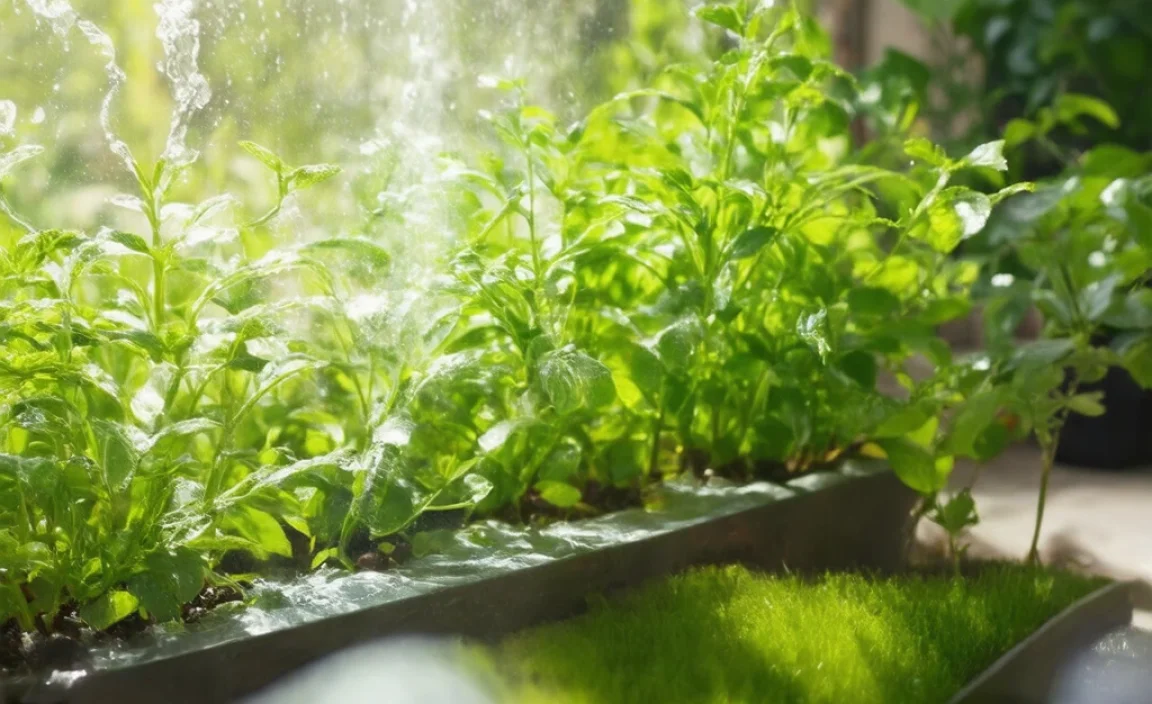
Water is key for happy plants. But are you watering them the right way? Learning how to water plants properly in a garden can make a big difference.
Imagine your plants are thirsty. They need water to live and grow strong. Too little water, and they get sad. Too much water, and they get sick. It’s all about finding the perfect balance.
Many people think watering is easy. Just spray some water, right? Not quite! Different plants need different amounts of water. The time of day matters too. Let’s explore the best ways to keep your garden healthy and hydrated.
Key Takeaways
- Knowing how to water plants properly in a garden ensures vibrant and healthy growth.
- Water deeply and less often to encourage strong root systems for your plants.
- Water early in the morning to reduce evaporation and prevent fungal diseases.
- Different plants have different watering needs, so learn about your specific plants.
- Use a watering can or soaker hose to deliver water directly to the soil.
Understanding Plant Watering Needs in a Garden
Every plant is different. Some plants love lots of water. Others prefer to stay dry. It’s like how some kids like juice, and others like water. Knowing what your plants like is important. How to water plants properly in a garden starts with understanding each plant. For example, succulents like cacti need very little water. They store water in their leaves. Tomatoes, on the other hand, need a lot of water. They are thirsty plants that need regular drinks to produce juicy fruits. Check the plant’s tag or do some research online. This will tell you how much water each plant needs. Also, consider the weather. Hot, sunny days mean plants need more water. Rainy days mean they need less. Pay attention to your plants. If their leaves are drooping, they probably need a drink. If the leaves are yellowing, they might be getting too much water.
- Research the specific watering needs of each plant in your garden.
- Consider the weather conditions, such as temperature and rainfall.
- Check the soil moisture before watering to avoid overwatering.
- Observe your plants for signs of underwatering or overwatering.
- Group plants with similar watering needs together in your garden.
Understanding your plants’ needs is the first step. It helps you give them the right amount of water. Think of it like feeding a pet. You wouldn’t give a tiny hamster the same amount of food as a big dog, right? Plants are the same way. Some need a lot, and some need a little. If you’re not sure, it’s usually better to underwater than overwater. Overwatering can lead to root rot. Root rot is like a sickness for plants. It can kill them. Underwatering is easier to fix. You can always add more water. Learning how to water plants properly in a garden takes time and practice. Don’t be afraid to ask questions and learn as you go.
Fun Fact or Stat: Did you know that overwatering is one of the most common reasons why plants die?
How Can You Tell if Plants Need Water?
Imagine your plants are like little people. How do you know when they’re thirsty? They can’t talk, but they can show you. One sign is drooping leaves. If the leaves are hanging down, it means they need a drink. Another sign is dry soil. Stick your finger into the soil. If it feels dry, it’s time to water. You can also look at the color of the leaves. If they’re turning yellow or brown, it could mean they’re not getting enough water. Sometimes, the edges of the leaves will get crispy. It’s like they’re saying, “Help, I’m thirsty!” How to water plants properly in a garden includes learning to read these signs. Different plants show thirst in different ways. Some might wilt, while others might get spots on their leaves. Pay attention to your plants. They will tell you what they need.
What Happens if You Overwater Plants?
Overwatering is like giving a plant too much love. It can actually hurt them. When you overwater, the soil gets soggy. The roots can’t get the air they need. This can lead to root rot. Root rot is a disease that makes the roots turn black and mushy. Once the roots are damaged, the plant can’t get water or nutrients. It’s like trying to drink through a clogged straw. The plant will start to wilt and die. Overwatering can also attract pests and diseases. Fungus loves wet conditions. Learning how to water plants properly in a garden means knowing when to stop. Let the soil dry out a bit between waterings. This helps the roots stay healthy.
What Type of Soil Do Your Plants Have?
The type of soil in your garden matters. Some soils hold water well. Others let water drain away quickly. Sandy soil drains fast. Clay soil holds water for a long time. Knowing your soil type helps you know how to water plants properly in a garden. If you have sandy soil, you might need to water more often. The water runs right through. If you have clay soil, you might need to water less often. The soil stays wet longer. You can improve your soil by adding compost. Compost helps sandy soil hold more water. It helps clay soil drain better. Healthy soil means healthy plants.
Best Time of Day to Water Your Garden Plants
Timing is key when watering your plants. Imagine you’re going for a walk. Would you rather go in the hot sun or the cool morning? Plants are the same way! The best time to water is early in the morning. The sun hasn’t fully come out yet. The temperature is cooler. This means less water will evaporate. Evaporation is when water turns into a gas and disappears. When you water in the morning, the plants have all day to dry off. This helps prevent diseases. Wet leaves at night can lead to fungus. How to water plants properly in a garden includes avoiding evening watering. If you can’t water in the morning, late afternoon is okay. Just make sure the leaves have time to dry before dark. Avoid watering in the middle of the day. The hot sun will cause the water to evaporate before the plants can use it. It’s like pouring water on a hot stove.
- Water early in the morning to minimize evaporation.
- Avoid watering in the heat of the day.
- If you must water in the evening, do it early enough for leaves to dry.
- Morning watering helps prevent fungal diseases.
- Consider using a timer for automatic watering.
Think of watering time like giving your plants a refreshing drink. You want them to be able to enjoy it. Watering in the morning gives them the whole day to soak it up. It’s like giving them a big glass of water before a long day of playing. Watering at night is like giving them a drink right before bed. They don’t have time to use it. It can make them feel uncomfortable. Learning how to water plants properly in a garden means choosing the best time. It’s a simple thing that can make a big difference. Your plants will thank you with healthy growth and beautiful blooms.
Fun Fact or Stat: Watering in the morning can reduce water loss by up to 25% compared to watering in the afternoon!
Is Watering at Night Bad for Plants?
Watering at night can be risky for plants. Imagine sleeping with wet socks. It’s not very comfortable, right? Wet leaves overnight can create a perfect environment for fungus and diseases. The leaves stay damp for hours. This gives fungus a chance to grow. Some plants are more sensitive to this than others. Tomatoes and roses are especially prone to fungal diseases. If you have to water at night, try to water only the soil. Avoid getting the leaves wet. How to water plants properly in a garden often means avoiding nighttime watering altogether. Morning is almost always better.
Why Does Watering in the Sun Waste Water?
Watering in the hot sun is like trying to fill a bucket with a hole in it. The water evaporates before it can reach the roots. The hot sun turns the water into steam. This is especially true on hot, sunny days. You’re wasting water and not helping your plants. It’s better to wait until the sun is lower. Water early in the morning or late in the afternoon. This gives the water a chance to soak into the soil. How to water plants properly in a garden involves being smart about when you water. Don’t let the sun steal your water!
What About Using a Sprinkler System?
Sprinkler systems can be helpful. They can water a large area quickly. But they can also waste water. Sprinklers spray water into the air. Some of that water evaporates before it reaches the plants. Sprinklers can also wet the leaves. This can lead to diseases. If you use a sprinkler system, try to adjust it. Water early in the morning. Aim the sprinklers low to the ground. This will help get the water to the roots. Soaker hoses are a better option. They deliver water directly to the soil. How to water plants properly in a garden may involve choosing the right watering system.
Deep Watering vs. Light Watering: Which Is Better?
Imagine you’re giving your plants a drink. Do you give them a tiny sip or a big gulp? Deep watering is like giving them a big gulp. It means watering thoroughly so the water reaches deep into the soil. This encourages the roots to grow deeper. Deep roots make plants stronger and more drought-resistant. Light watering is like giving them a tiny sip. It only wets the surface of the soil. The roots stay shallow. Shallow roots make plants weaker and more prone to drying out. How to water plants properly in a garden usually means deep watering. Water less often, but water deeply each time. Let the soil dry out between waterings. This helps the roots get air. It also prevents root rot. Use a watering can or a soaker hose to deliver water slowly and deeply.
- Deep watering encourages deeper and stronger root growth.
- Water deeply but less frequently to avoid overwatering.
- Light watering can lead to shallow roots and weaker plants.
- Check soil moisture to determine when deep watering is needed.
- Use a soaker hose or watering can for targeted deep watering.
Think of deep watering like training your plants to be strong. When they have to reach for water deep down, they become more resilient. It’s like making them work out to build their muscles. Light watering is like giving them a quick snack. It satisfies them for a moment, but it doesn’t build their strength. Learning how to water plants properly in a garden involves understanding this difference. Deep watering is the better choice for most plants. It helps them thrive and survive even when the weather gets tough.
Fun Fact or Stat: Deep watering can reduce the frequency of watering by up to 50%!
Why Does Deep Watering Help Roots Grow?
Deep watering helps roots grow because it encourages them to reach down into the soil. Imagine the roots are like straws looking for water. If the water is only on the surface, the straws stay near the top. If the water is deep down, the straws have to grow longer to reach it. This makes the roots stronger and more extensive. They can access more water and nutrients. How to water plants properly in a garden means helping those roots grow deep.
How Can You Tell If You’re Watering Deeply Enough?
It can be tricky to know if you’re watering deeply enough. One way to check is to use a soil moisture meter. This tool measures the amount of water in the soil at different depths. Another way is to dig a small hole near your plant. See how far down the water has soaked. You want the water to reach at least 6-8 inches deep for most plants. If the water is only on the surface, you need to water more. How to water plants properly in a garden means checking your work.
Are There Plants That Prefer Light Watering?
Yes, some plants do prefer light watering. Succulents and cacti are good examples. These plants store water in their leaves and stems. They don’t need a lot of water to survive. Overwatering can actually kill them. Other plants that prefer light watering include herbs like rosemary and lavender. They like dry conditions. Learning how to water plants properly in a garden involves knowing which plants need less water.
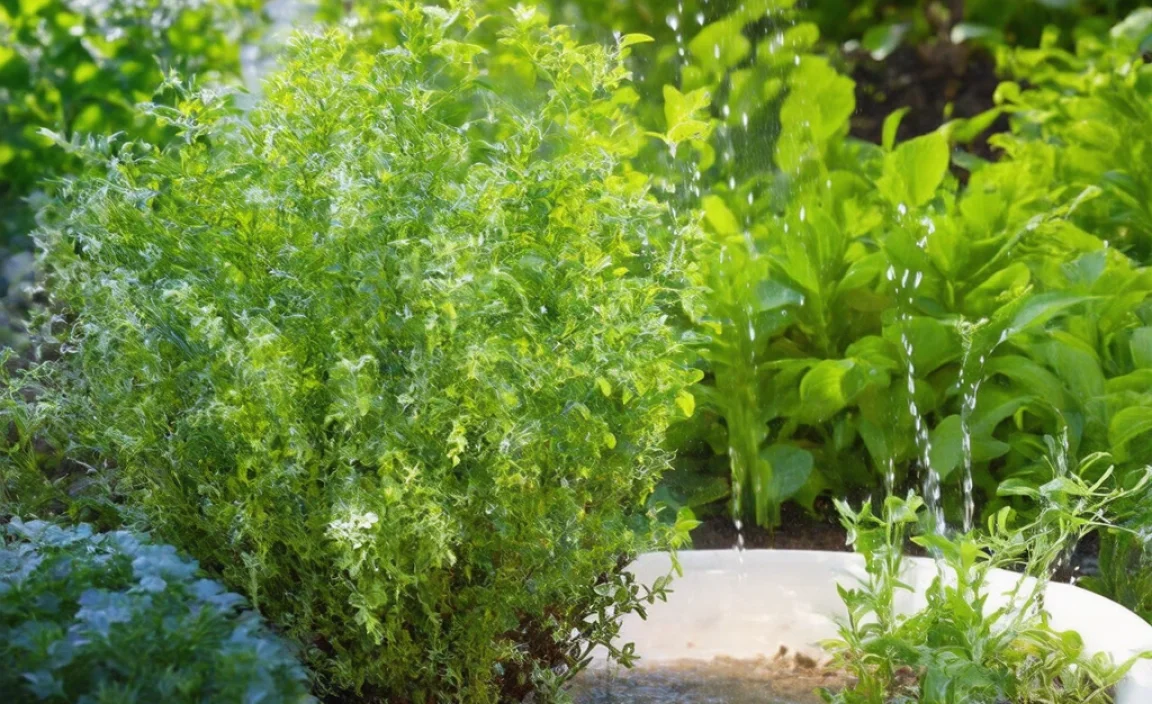
Using the Right Watering Tools for Your Garden
Having the right tools can make watering your garden much easier. Imagine trying to build a house with only a hammer. It would be tough, right? The same goes for gardening. A watering can is great for small gardens. It lets you control the amount of water. A garden hose is good for larger areas. But be careful not to spray too hard. Soaker hoses are excellent for deep watering. They deliver water slowly and directly to the soil. A rain barrel can collect rainwater. This is a great way to save water and help the environment. How to water plants properly in a garden often involves choosing the right tool for the job. Consider the size of your garden and the types of plants you have. Choose tools that make watering efficient and effective.
- Use a watering can for small gardens and delicate plants.
- A garden hose is suitable for larger areas, but use a gentle spray nozzle.
- Soaker hoses deliver water directly to the soil, reducing water waste.
- Rain barrels collect rainwater for eco-friendly watering.
- Consider using a timer for automatic watering systems.
Think of your watering tools as your helpers in the garden. They make the job easier and more efficient. A good watering can is like a reliable friend. A soaker hose is like a wise teacher. It shows you how to water deeply and effectively. Learning how to water plants properly in a garden is also about learning to use these tools well. Experiment with different tools and find what works best for you and your plants.
Fun Fact or Stat: Using a rain barrel can save up to 1,300 gallons of water during peak summer months!
What Are the Benefits of Using a Soaker Hose?
Soaker hoses are like magic wands for your garden. They have tiny holes that release water slowly and directly into the soil. This means less water is wasted through evaporation. The water goes right to the roots where it’s needed. Soaker hoses also help prevent diseases. They don’t wet the leaves. This reduces the risk of fungus. How to water plants properly in a garden can be made easier with a soaker hose.
How Do You Choose the Right Watering Can?
Choosing the right watering can is important. Look for one that is comfortable to hold and easy to pour. The spout should be long and narrow. This helps you direct the water where you want it. The rose (the sprinkler head) should have small holes. This creates a gentle shower of water. Avoid watering cans that are too heavy. They can be hard to carry when full. How to water plants properly in a garden starts with good tools.
What Are the Pros and Cons of Sprinkler Systems?
Sprinkler systems have pros and cons. They can water a large area quickly. This is great for big gardens. But they can also waste water. Sprinklers spray water into the air. Some of that water evaporates. They can also wet the leaves, leading to diseases. How to water plants properly in a garden may or may not include sprinklers. Consider your needs and the potential drawbacks.
| Feature | Pros | Cons |
|---|---|---|
| Coverage | Waters large areas quickly | Can waste water through evaporation |
| Efficiency | Saves time and effort | May not deliver water directly to roots |
| Disease Risk | None | Can wet leaves, promoting fungal growth |
| Cost | Can be affordable | May require professional installation |
Watering Different Types of Plants in Your Garden
Not all plants are created equal. Some plants need lots of water. Others need very little. It’s like how some people love spicy food, and others don’t. Tomatoes, peppers, and cucumbers need a lot of water. They are thirsty plants that produce juicy fruits. Succulents, cacti, and herbs like rosemary and lavender need less water. They are drought-tolerant plants that can handle dry conditions. How to water plants properly in a garden means knowing the needs of each plant. Group plants with similar watering needs together. This makes watering easier. Check the soil moisture regularly. This helps you know when to water. Pay attention to your plants. They will tell you what they need.
- Group plants with similar watering needs together.
- Water vegetables like tomatoes and cucumbers more frequently.
- Water succulents and herbs less often to prevent overwatering.
- Adjust watering based on plant type and weather conditions.
- Research specific plant requirements for optimal growth.
Think of watering different plants like cooking different recipes. You wouldn’t use the same ingredients and cooking time for every dish, right? Plants are the same way. Some need a lot of water and sun, while others need less. Learning how to water plants properly in a garden involves becoming a plant chef. You need to know the right ingredients and techniques for each plant. This will help them thrive and produce delicious fruits, vegetables, or beautiful flowers.
Fun Fact or Stat: Grouping plants with similar watering needs can save up to 30% of your watering time!
How Often Should You Water Vegetables?
Vegetables are often thirsty plants. They need a lot of water to produce juicy fruits and vegetables. Tomatoes, peppers, cucumbers, and beans all need regular watering. Water them deeply whenever the top inch of soil feels dry. This is usually every day or two in hot weather. Use a soaker hose to deliver water directly to the roots. How to water plants properly in a garden often means paying close attention to your vegetables.
How Do You Water Succulents and Cacti?
Succulents and cacti are different. They store water in their leaves and stems. They don’t need a lot of water. Overwatering can kill them. Water them only when the soil is completely dry. This might be every two weeks or even longer. Use a watering can to water the soil gently. Avoid getting the leaves wet. How to water plants properly in a garden for succulents means less is more.
What About Watering Herbs Like Rosemary and Lavender?
Herbs like rosemary and lavender also prefer dry conditions. They don’t need a lot of water. Overwatering can lead to root rot. Water them only when the soil is dry to the touch. Make sure the soil drains well. These herbs like sunny spots. How to water plants properly in a garden for herbs means understanding their dry-loving nature.
Recognizing and Addressing Overwatering Issues
Overwatering can be a big problem for plants. Imagine you’re drinking too much water. You might feel sick, right? Plants are the same way. Overwatering can lead to root rot. The roots can’t get the air they need. The leaves might turn yellow or brown. They might also droop. The soil might smell bad. These are all signs of overwatering. How to water plants properly in a garden involves recognizing these signs. If you see them, stop watering. Let the soil dry out completely. You might need to move the plant to a new pot with fresh soil. Make sure the pot has good drainage. Prevent overwatering by checking the soil moisture before watering. Don’t water if the soil is still wet.
- Yellowing or browning leaves can indicate overwatering.
- Drooping leaves, even when the soil is wet, suggest root rot.
- Soggy soil and a foul odor are signs of overwatering issues.
- Stop watering immediately if you suspect overwatering.
- Improve soil drainage by adding compost or perlite.
Think of overwatering like giving your plants too much of a good thing. Water is essential for life, but too much can be harmful. It’s like eating too much candy. It might taste good at first, but it can make you sick later. Learning how to water plants properly in a garden means finding the right balance. It’s about giving your plants what they need without overdoing it. Pay attention to the signs of overwatering and take action quickly. This will help your plants recover and thrive.
Fun Fact or Stat: Root rot caused by overwatering is responsible for up to 70% of plant deaths in home gardens!
What Does Root Rot Look Like?
Root rot is a serious problem for plants. The roots turn black or brown. They become mushy and slimy. They might also smell bad. The plant can’t get water or nutrients. The leaves will start to wilt and turn yellow. The plant might eventually die. How to water plants properly in a garden includes preventing root rot.
How Can You Improve Soil Drainage?
Good soil drainage is important for healthy plants. Add compost to the soil. Compost helps the soil drain better. You can also add perlite or vermiculite. These materials create air pockets in the soil. This helps the water drain away quickly. Make sure your pots have drainage holes. This allows excess water to escape. How to water plants properly in a garden often means improving your soil.
Can Plants Recover From Overwatering?
Yes, plants can sometimes recover from overwatering. Stop watering immediately. Let the soil dry out completely. If the plant is in a pot, move it to a new pot with fresh soil. Make sure the pot has good drainage. Trim any dead or damaged roots. Be patient. It might take some time for the plant to recover. How to water plants properly in a garden sometimes means giving plants a second chance.
Using Mulch to Help Retain Soil Moisture
Mulch is like a blanket for your garden. It covers the soil and helps keep it moist. It also helps prevent weeds from growing. Mulch can be made from different materials. Wood chips, straw, and shredded leaves are all good options. Spread a layer of mulch around your plants. This will help the soil retain moisture. It will also keep the soil cooler in the summer. How to water plants properly in a garden often includes using mulch. It’s a simple way to help your plants thrive. Mulch also breaks down over time. This adds nutrients to the soil. It’s like feeding your plants while keeping them warm.
- Mulch helps retain soil moisture, reducing the need for frequent watering.
- It suppresses weed growth, saving you time and effort.
- Organic mulches like wood chips and straw add nutrients to the soil.
- Mulch insulates the soil, keeping it cooler in the summer and warmer in the winter.
- Apply a 2-4 inch layer of mulch around your plants.
Think of mulch as a protective layer for your garden. It helps keep the soil healthy and happy. It’s like giving your plants a cozy home. Learning how to water plants properly in a garden involves using mulch effectively. It’s a simple trick that can make a big difference. Your plants will thank you with strong growth and beautiful blooms.
Fun Fact or Stat: Mulch can reduce water evaporation from the soil by up to 70%!
What Are the Best Types of Mulch to Use?
There are many different types of mulch to choose from. Wood chips are a good option for most gardens. They last a long time and help retain moisture. Straw is good for vegetable gardens. It breaks down quickly and adds nutrients to the soil. Shredded leaves are a free and easy option. They also add nutrients to the soil. How to water plants properly in a garden may depend on the type of mulch you use.
How Much Mulch Should You Apply?
Apply a layer of mulch that is 2-4 inches thick. Too little mulch won’t be effective. Too much mulch can suffocate the plants. Keep the mulch away from the stems of the plants. This can prevent rot. Check the mulch regularly and add more as needed. How to water plants properly in a garden includes maintaining the right amount of mulch.
Does Mulch Help Prevent Weeds?
Yes, mulch helps prevent weeds from growing. It blocks sunlight from reaching the soil. Weeds need sunlight to grow. Mulch also creates a barrier that makes it harder for weed seeds to germinate. This can save you time and effort in the garden. How to water plants properly in a garden can also include preventing weeds with mulch.
Summary
Knowing how to water plants properly in a garden is very important. Each plant has unique needs. Understanding these needs will help your garden thrive. Water deeply and less often. This encourages strong root growth. Water early in the morning. This reduces evaporation and prevents disease. Use the right tools, like soaker hoses and watering cans. Mulch helps retain moisture and prevents weeds. Check the soil moisture regularly to avoid overwatering. By following these tips, you can create a healthy and beautiful garden.
Conclusion
Watering your garden doesn’t have to be hard. By learning how to water plants properly in a garden, you will help your plants grow strong and healthy. Remember to water deeply but less often. Water early in the morning. Use the right tools and mulch. Pay attention to your plants. They will tell you what they need. Happy gardening!
Frequently Asked Questions
Question No 1: How often should I water my plants?
Answer: How often you water depends on the type of plant, the weather, and the soil. Check the soil moisture before watering. Stick your finger into the soil. If it feels dry, it’s time to water. Some plants, like succulents, need very little water. Others, like tomatoes, need a lot. Hot, sunny days mean plants need more water. Rainy days mean they need less. Learning how to water plants properly in a garden requires understanding these factors. Remember to water deeply but less often. This encourages strong root growth.
Question No 2: What’s the best time of day to water plants?
Answer: The best time to water is early in the morning. The sun hasn’t fully come out yet. The temperature is cooler. This means less water will evaporate. When you water in the morning, the plants have all day to dry off. This helps prevent diseases. Wet leaves at night can lead to fungus. Avoiding evening watering is part of how to water plants properly in a garden. If you can’t water in the morning, late afternoon is okay. Just make sure the leaves have time to dry before dark.
Question No 3: How do I know if I’m overwatering my plants?
Answer: There are several signs of overwatering. The leaves might turn yellow or brown. They might also droop. The soil might smell bad. The roots might be mushy and black. If you see these signs, stop watering immediately. Let the soil dry out completely. You might need to move the plant to a new pot with fresh soil. Knowing these signs is key to how to water plants properly in a garden. Overwatering can lead to root rot, which can kill your plants.
Question No 4: What is the best way to water plants in containers?
Answer: Watering plants in containers is similar to watering plants in the ground. Check the soil moisture before watering. Water deeply until water drains out of the bottom of the pot. Make sure the pot has good drainage. Container plants often need more water than plants in the ground. They dry out faster. Adjust your watering schedule accordingly. Understanding drainage is important in how to water plants properly in a garden when using containers.
Question No 5: Can I use rainwater to water my plants?
Answer: Yes, rainwater is a great option for watering your plants. It’s free and doesn’t contain chemicals like tap water. You can collect rainwater in a rain barrel. Use the rainwater to water your plants as needed. Rainwater is especially good for plants that are sensitive to tap water. Using rainwater is an eco-friendly way to practice how to water plants properly in a garden.
Question No 6: How does mulch help with watering?
Answer: Mulch helps retain soil moisture. It also prevents weeds from growing. Spread a layer of mulch around your plants. This will help the soil stay moist. You won’t need to water as often. Mulch also keeps the soil cooler in the summer. It’s like a blanket for your garden. Using mulch is a simple way to improve how to water plants properly in a garden. It’s also good for the environment.

