Have you ever wanted to grow your own yummy veggies? Do you dream of having fresh flowers right outside your door? It might be easier than you think. Let’s learn how to build a raised garden bed. It is a fun project. You can do it with your family. Imagine all the cool plants you can grow. Let’s get started and dig in!
Raised garden beds are like big boxes for your plants. They sit on top of the ground. This can make gardening easier. You don’t have to bend down so far. Plus, you can control the soil. This helps your plants grow strong and healthy. Ready to learn more about these amazing gardens?
Building a raised garden bed is a great way to start gardening. It is also a fun way to spend time outside. You can choose the size and shape of your bed. Then, you can pick out the perfect plants. Gardening is a fun hobby. It is also a great way to get exercise.
Key Takeaways
- Building a raised garden bed lets you control soil and plant health easily.
- Choose durable materials like cedar or recycled plastic for your bed.
- Select a sunny spot and level the ground before you start building.
- Use good quality soil mix for the best plant growth and bigger harvests.
- Raised beds make gardening easier on your back and knees.
How to Choose the Right Size Bed
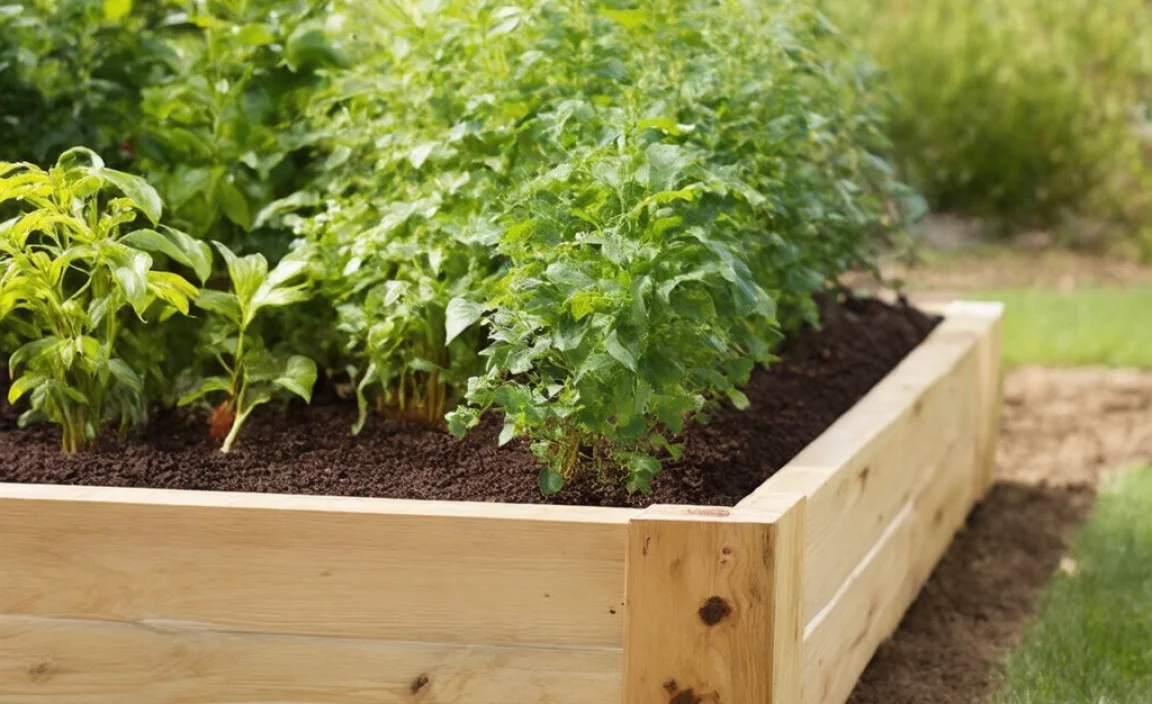
Choosing the right size for your raised garden bed is key. Think about the space you have. Also, think about what you want to grow. A small bed is good for herbs or lettuce. A bigger bed is better for tomatoes or squash. Make sure you can reach all parts of the bed. This makes it easy to water and weed. A good size is about 4 feet wide and 8 feet long. This lets you reach the middle without stepping on the soil. Stepping on the soil can make it hard for plants to grow.
- Measure your garden space carefully.
- Consider what you want to grow.
- Think about how easy it is to reach.
- Small beds are good for beginners.
- Larger beds need more soil and plants.
- Choose a size that fits your needs.
The height of your raised bed is also important. A bed that is 12 inches tall is good for most plants. If you have back problems, make it taller. A taller bed means you don’t have to bend over as much. You can also add a bench to sit on while you garden. This makes gardening more comfortable. Remember to plan ahead. Think about how much time you want to spend gardening. A bigger garden needs more time and work.
What is the best height for a bed?
Have you ever wondered what the best height is for a raised garden bed? The height can make a big difference. A taller bed can be easier on your back. It can also help keep pests away. A shorter bed is easier to fill with soil. Most people find that 12 to 18 inches is a good height. This height is a good balance. It is easy to reach and it holds enough soil for most plants. Taller beds are good if you have trouble bending over. Shorter beds are good if you want to save money on soil. Think about what works best for you.
Should I make it square or rectangle?
Imagine you are building a raised garden bed. Should you make it square or rectangle? Both shapes have good points. Square beds look nice and neat. They fit well in small spaces. Rectangle beds are good for growing in rows. They make it easy to reach all your plants. Think about your garden space. Also, think about how you want to plant. A square bed might be 4 feet by 4 feet. A rectangle bed might be 4 feet by 8 feet. Choose the shape that works best for you and your plants.
How deep should the soil be?
Do you know how deep your garden soil should be? The depth of the soil is very important. Plants need enough room for their roots to grow. Most vegetables need at least 12 inches of soil. Some plants, like carrots, need even more. If you don’t have enough soil, your plants might not grow well. Make sure your raised garden bed is deep enough. This will help your plants grow big and strong. Remember to use good quality soil. This will give your plants the nutrients they need.
Choosing the right size bed is a big part of how to build a raised garden bed. Think about your space, plants, and body. This will help you make the best choice. Now you are ready to start building your dream garden.
Fun Fact or Stat: The average raised garden bed is 4 feet wide and 8 feet long. This size allows easy access for planting and harvesting!
Choosing the Best Materials to Use
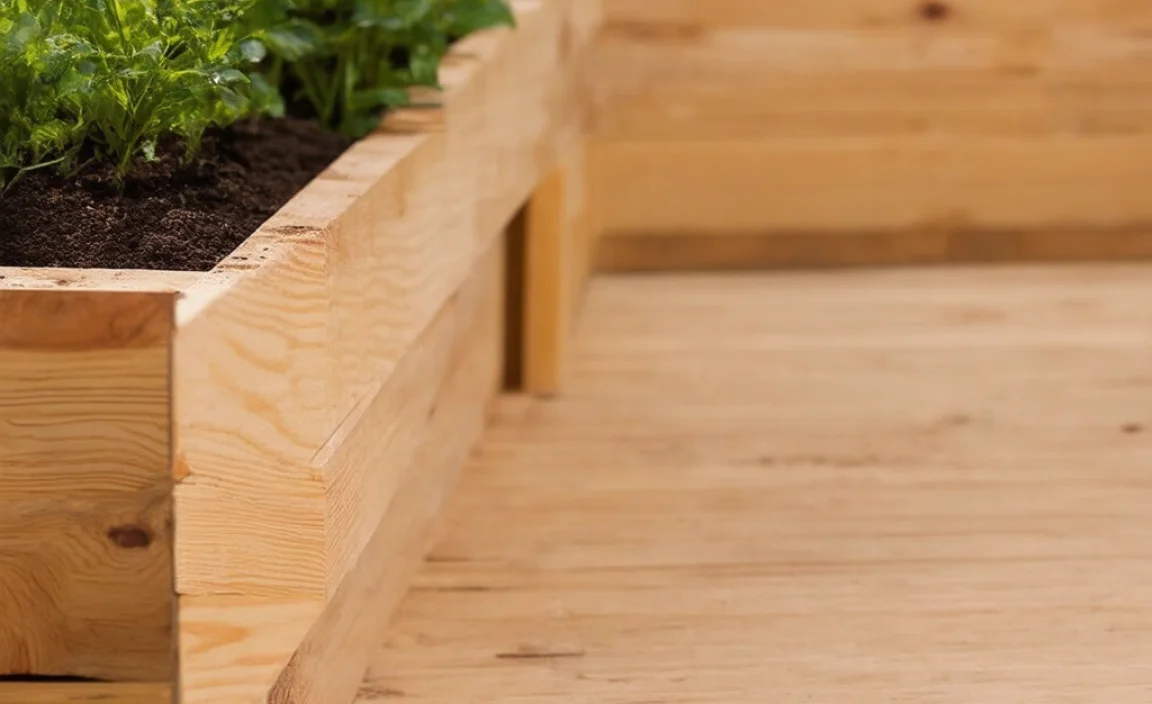
Picking the right materials is key for a long-lasting raised garden bed. Wood is a popular choice. Cedar wood is good because it resists rot. But it can be pricey. Other woods need to be treated. This can protect them from the weather. You can also use bricks or stones. These are strong and look nice. Recycled plastic is another good option. It lasts a long time and is good for the environment. Think about what looks good in your yard. Also, think about how much you want to spend.
- Cedar wood resists rot naturally.
- Treated wood is cheaper but needs care.
- Bricks and stones are strong and last long.
- Recycled plastic is good for the planet.
- Metal can get hot and harm plants.
- Consider the look and cost of each material.
No matter what you choose, make sure it is safe for plants. Some treated woods have chemicals. These can harm your veggies. Look for wood that is safe for gardening. You can also line the inside of the bed. This will protect the soil from the wood. This is a good idea if you are using treated wood. Remember to think about how the material will look in your yard. A raised bed should be both useful and pretty.
Is pressure-treated wood safe?
Have you heard about pressure-treated wood? It is wood that has been treated with chemicals. These chemicals help protect it from rot and bugs. But is it safe to use in a garden? Some people worry that the chemicals might get into the soil. Newer types of pressure-treated wood are safer. They use different chemicals that are less harmful. You can also line the inside of your raised bed. This will keep the wood from touching the soil. Do some research and make the best choice for your garden.
What about using concrete blocks?
Imagine building your raised garden bed with concrete blocks. Concrete blocks are strong and last a long time. They are also easy to find and not too expensive. You can stack them up to make the sides of your bed. Some people like the look of concrete blocks. Others think they are not very pretty. You can paint them or cover them with stones. This will make them look nicer. Concrete blocks can also get hot in the sun. This might affect your plants. Think about these things before you choose concrete blocks.
Can I use recycled materials?
Using recycled materials is a great way to build a raised garden bed. You can use old wood, bricks, or even plastic bottles. This is good for the environment. It also saves you money. Just make sure the materials are safe for plants. Avoid using anything that might have harmful chemicals. Old tires, for example, are not a good choice. But old wood pallets can be great. Just make sure they have not been treated with anything bad. Get creative and see what you can find!
| Material | Pros | Cons | Cost |
|---|---|---|---|
| Cedar | Rot-resistant, looks nice | Expensive | High |
| Treated Wood | Affordable, long-lasting | May contain chemicals | Medium |
| Bricks | Strong, attractive | Heavy, can be costly | Medium to High |
| Recycled Plastic | Eco-friendly, durable | Can be expensive | Medium to High |
Choosing the right materials is an important step in how to build a raised garden bed. Think about what you like and what works for your garden. Now you are one step closer to having your own raised garden bed.
Fun Fact or Stat: Cedar wood can last up to 20 years in a raised garden bed because of its natural oils that resist decay!
Finding the Perfect Spot for Your Bed
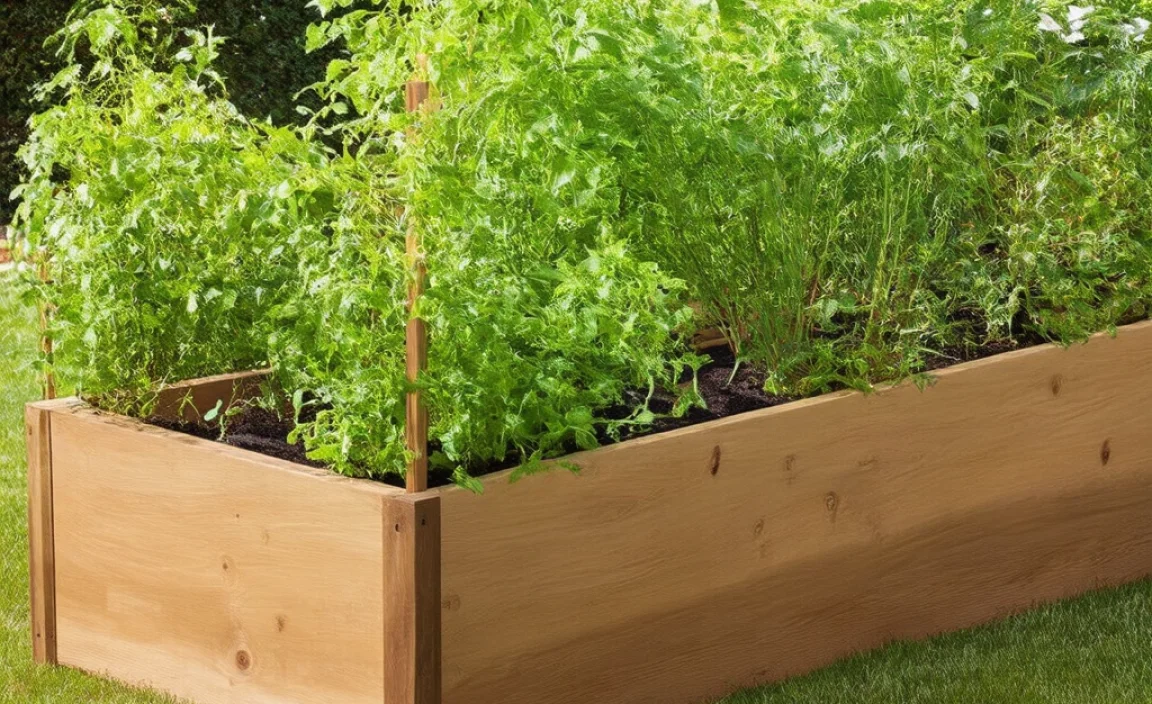
The location of your raised garden bed is super important. Most veggies need at least six hours of sun each day. Watch your yard to see where the sun shines the most. Make sure the spot is close to a water source. This makes watering easier. Also, think about the soil underneath. You want a spot that drains well. This means water doesn’t sit on top of the soil. If the soil is bad, you can put down a layer of cardboard. This will help keep weeds out.
- Choose a sunny spot with at least six hours of sun.
- Make sure it is close to a water source.
- Check the soil drainage.
- Level the ground before you build.
- Avoid spots near trees with big roots.
- Think about how it looks from your house.
Before you start building, level the ground. This will make your raised bed stable. You can use a shovel to move soil around. A level is a tool that helps you make things even. If the ground is not level, your bed might lean. This can cause problems later on. Take your time and do it right. A good location will help your plants grow strong and healthy.
How much sun is enough?
Do you know how much sun your plants need? Most vegetables need at least six hours of sunlight each day. Some plants, like lettuce, can grow with less. But most veggies need lots of sun to make food. Sunlight helps them grow big and strong. Watch your yard to see where the sun shines the most. Choose a spot for your raised garden bed that gets plenty of sunlight. If you don’t have enough sun, you can use grow lights. These lights can help your plants grow indoors.
What if the soil is really bad?
What if the soil in your yard is really bad? Don’t worry, you can still build a raised garden bed. Raised beds sit on top of the ground. You can fill them with good quality soil. This means you don’t have to worry about the bad soil underneath. You can also put down a layer of cardboard or newspaper. This will help keep weeds from growing up into your raised bed. Bad soil is not a problem when you have a raised garden bed.
Should I worry about tree roots?
Tree roots can be a big problem for raised garden beds. Tree roots can grow into your bed. They will take water and nutrients from your plants. This can make it hard for your plants to grow. Avoid putting your raised bed too close to trees. If you have to put it near a tree, you can line the bottom of the bed. Use a strong fabric to keep the roots out. This will help protect your plants from the tree roots.
Finding the perfect spot is key to how to build a raised garden bed. Sun, water, and soil are all important. Take your time and choose the best spot for your plants.
Fun Fact or Stat: Plants need sunlight to perform photosynthesis, the process of converting light energy into chemical energy for growth!
Building the Frame Step-by-Step
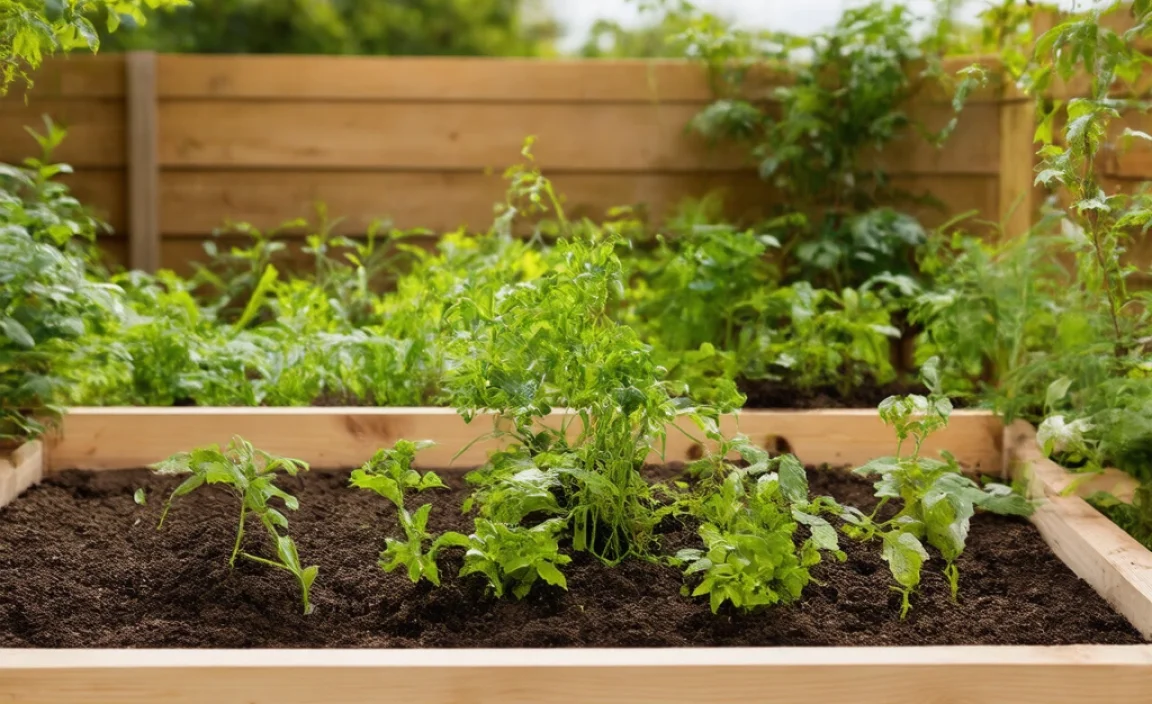
Now it’s time to build the frame of your raised garden bed. First, cut your wood to the right size. You will need four pieces for the sides. Use screws to put the pieces together. Make sure the corners are square. A square is a shape with four equal sides and four right angles. You can use a square tool to check the corners. If you are using bricks or stones, stack them up. Make sure they are stable. You can use mortar to hold them together. Mortar is like a glue for bricks and stones.
- Cut the wood to the right size.
- Use screws to put the pieces together.
- Check the corners to make sure they are square.
- Stack bricks or stones carefully.
- Use mortar to hold bricks together.
- Make sure the frame is strong and stable.
Once the frame is built, you can add a liner. A liner is a piece of fabric or plastic that goes inside the frame. This will protect the wood from the soil. It will also help keep weeds out. You can use landscape fabric or plastic sheeting. Staple the liner to the inside of the frame. Make sure it covers all the sides. Now your frame is ready for soil.
What tools will I need?
Do you know what tools you will need to build a raised garden bed? You will need a saw to cut the wood. A drill will help you put in the screws. A level will help you make sure the frame is even. A shovel will help you move the soil. A measuring tape will help you measure the wood. A hammer might be useful too. Gather all your tools before you start building. This will make the job easier.
How do I make the corners square?
Making the corners square is very important. If the corners are not square, your raised bed will not look right. It might also be weak. You can use a square tool to check the corners. A square tool has a right angle. Place the square in the corner. If the corner matches the square, it is square. If not, you need to adjust the wood. You can also use the 3-4-5 rule. Measure 3 feet along one side. Measure 4 feet along the other side. The distance between these two points should be 5 feet. If it is, the corner is square.
How do I add a liner?
Adding a liner to your raised garden bed is easy. A liner protects the wood from the soil. It also helps keep weeds out. You can use landscape fabric or plastic sheeting. Cut the liner to fit inside the frame. Make sure it covers all the sides. Staple the liner to the inside of the frame. Use a staple gun to attach the liner. Overlap the edges of the liner. This will make it stronger. Now your frame is ready for soil.
Building the frame is a big step in how to build a raised garden bed. Take your time and do it right. A strong frame will last for many years.
Fun Fact or Stat: A staple gun makes it easy to attach the liner to the inside of the frame.
Filling Your Bed with the Best Soil
Choosing the right soil is super important for your plants. Don’t just use soil from your yard. It might not have the nutrients your plants need. Buy a good quality soil mix from a garden center. Look for a mix that is made for raised beds. This mix will have compost, peat moss, and other good stuff. These things help your plants grow strong. Fill the bed with soil almost to the top. Leave a little space for watering.
- Buy a good quality soil mix.
- Look for a mix made for raised beds.
- Fill the bed almost to the top.
- Add compost for extra nutrients.
- Water the soil before you plant.
- Don’t pack the soil down too hard.
Compost is a great thing to add to your soil. Compost is made from old food scraps and yard waste. It is full of nutrients that plants love. You can buy compost from a garden center. Or you can make your own compost at home. Mix the compost into the soil before you plant. This will give your plants a good start. Remember to water the soil before you plant. This will help the soil settle.
What is the best soil mix to use?
What is the best soil mix to use in your raised garden bed? A good soil mix is light and fluffy. It should drain well and hold moisture. A mix of compost, peat moss, and vermiculite is a good choice. Compost adds nutrients to the soil. Peat moss helps the soil hold water. Vermiculite helps with drainage. You can buy these things separately and mix them together. Or you can buy a pre-made soil mix from a garden center.
Can I use soil from my yard?
Can you use soil from your yard in your raised garden bed? It is usually not a good idea. Yard soil can be heavy and full of clay. It might not drain well. It might also have weeds and pests. It is better to buy a good quality soil mix. This will give your plants the best chance to grow. If you want to use some yard soil, mix it with compost and peat moss. This will help improve the soil.
How often should I add compost?
Adding compost to your raised garden bed is a great idea. Compost adds nutrients to the soil. It also helps the soil hold water. You should add compost to your bed every year. The best time to add compost is in the spring. Before you start planting. You can also add compost in the fall. After you harvest your crops. Mix the compost into the soil. This will help your plants grow strong and healthy.
Filling your bed with the best soil is key to how to build a raised garden bed. Good soil means healthy plants. Healthy plants mean yummy veggies.
Fun Fact or Stat: Compost is like a vitamin boost for your garden, providing essential nutrients for plant growth!
Planting and Caring for Your Garden
Now it’s time to plant your garden. Choose plants that you like to eat. Also, choose plants that grow well in your area. Follow the instructions on the seed packets. Dig small holes in the soil. Place the seeds or seedlings in the holes. Cover them with soil. Water the plants gently. Make sure the soil stays moist. But don’t overwater. Overwatering can kill your plants.
- Choose plants you like to eat.
- Follow the instructions on the seed packets.
- Dig small holes for the seeds or seedlings.
- Water the plants gently.
- Keep the soil moist but not too wet.
- Weed the garden regularly.
- Protect your plants from pests.
Weeding is an important part of caring for your garden. Weeds take water and nutrients from your plants. Pull weeds out by hand. Or use a weeding tool. Make sure you get the roots of the weeds. Otherwise, they will grow back. You can also put down mulch. Mulch is a layer of material that covers the soil. It helps keep weeds from growing. It also helps keep the soil moist.
What are some easy plants to grow?
Are you wondering what plants are easy to grow? Some plants are easier than others. Lettuce, spinach, and radishes are easy to grow from seed. Tomatoes, peppers, and cucumbers are easy to grow from seedlings. Herbs like basil and mint are also easy to grow. Choose plants that you like to eat. Also, choose plants that are easy to care for. This will make gardening more fun.
How often should I water?
Watering is very important for your plants. But how often should you water? It depends on the weather. It also depends on the type of plant. Check the soil to see if it is dry. If the soil is dry, water the plants. Water deeply, so the water gets to the roots. Water in the morning or evening. This will help prevent the water from evaporating. Don’t water too much. Overwatering can kill your plants.
How do I keep pests away?
Pests can be a big problem for your garden. Bugs and animals can eat your plants. There are many ways to keep pests away. You can use insecticidal soap to kill bugs. You can put up a fence to keep animals out. You can also plant herbs that repel pests. Marigolds, for example, keep away nematodes. These are tiny worms that can damage your plants.
Planting and caring for your garden is the final step in how to build a raised garden bed. Enjoy watching your plants grow. Soon you will have fresh veggies to eat.
Fun Fact or Stat: Some bugs are actually good for your garden. Ladybugs eat aphids, which are pests that can harm your plants.
Summary
Building a raised garden bed is a fun and rewarding project. You can choose the size and materials that work best for you. A raised bed makes gardening easier. You don’t have to bend over as much. You can also control the soil. This helps your plants grow strong. Remember to choose a sunny spot for your bed. Also, use a good quality soil mix.
Planting and caring for your garden is easy. Just follow the instructions on the seed packets. Water your plants regularly. Pull out any weeds that grow. Soon you will have fresh veggies to eat. Gardening is a great way to spend time outside. It is also a great way to get exercise. So get started today and build your own raised garden bed.
Conclusion
Now you know how to build a raised garden bed. It is a simple project that anyone can do. You can grow your own vegetables and flowers. This is a fun and healthy hobby. Gather your supplies and get started today. You will be amazed at what you can grow. Happy gardening!
Frequently Asked Questions
Question No 1: What is a raised garden bed?
Answer: A raised garden bed is like a big box filled with soil. It sits on top of the ground. This makes it easier to grow plants. You don’t have to bend down as far. It also lets you control the soil. You can use a good quality soil mix. This helps your plants grow strong and healthy. Building a raised garden bed is a fun project. It is also a great way to get exercise and fresh air. You can grow vegetables, flowers, and herbs in a raised garden bed.
Question No 2: Why should I build a raised garden bed?
Answer: There are many reasons to build a raised garden bed. It makes gardening easier on your back and knees. You don’t have to bend down as much. It also helps you control the soil. You can use a good quality soil mix. This helps your plants grow better. Raised beds also help keep pests away. Slugs and snails have a harder time getting into a raised bed. Plus, raised beds look nice in your yard. They can add beauty to your garden. Learning how to build a raised garden bed can improve your gardening experience.
Question No 3: How much does it cost to build a raised garden bed?
Answer: The cost of building a raised garden bed depends on the materials you use. Wood is a popular choice. But it can be expensive. Cedar wood is good because it resists rot. But it costs more than other types of wood. Bricks and stones are also good choices. But they can be heavy and hard to work with. Recycled plastic is a good option. It is good for the environment. The cost also depends on the size of the bed. A bigger bed will cost more than a smaller bed. Remember to add the cost of soil. You will need a lot of soil to fill the bed.
Question No 4: What kind of soil should I use in my raised garden bed?
Answer: The best kind of soil for a raised garden bed is a mix of different things. You should use compost, peat moss, and vermiculite. Compost adds nutrients to the soil. Peat moss helps the soil hold water. Vermiculite helps with drainage. You can buy these things separately and mix them together. Or you can buy a pre-made soil mix from a garden center. Look for a mix that is made for raised beds. Avoid using soil from your yard. It might not have the nutrients your plants need. It might also have weeds and pests.
Question No 5: How do I keep weeds out of my raised garden bed?
Answer: Weeds can be a big problem in any garden. But there are things you can do to keep them out of your raised garden bed. Start by using a good quality soil mix. This will help prevent weeds from growing. You can also put down a layer of mulch. Mulch is a layer of material that covers the soil. It helps keep weeds from growing. You can use straw, wood chips, or shredded leaves as mulch. Pull out any weeds that do grow. Make sure you get the roots of the weeds. Otherwise, they will grow back. This is an important part of how to build a raised garden bed successfully.
Question No 6: What are some good plants to grow in a raised garden bed?
Answer: There are many good plants to grow in a raised garden bed. Vegetables like tomatoes, peppers, and cucumbers grow well in raised beds. Herbs like basil, mint, and oregano are also good choices. Flowers like marigolds, zinnias, and petunias can add beauty to your garden. Choose plants that you like to eat. Also, choose plants that grow well in your area. Follow the instructions on the seed packets. Water your plants regularly. Pull out any weeds that grow. Soon you will have a beautiful and productive garden.

