Many people want to grow beautiful gardens. They dream of colorful flowers and tasty vegetables. But have you thought about compost? Compost is great for plants. It helps them grow strong and healthy. Do you know how to calculate how much compost you need for a garden? It can be easy if you follow a few steps. Let’s explore this topic together!
Compost is like food for the soil. It gives nutrients and helps retain moisture. When you add compost to your garden, you improve the soil. This helps plants grow better. Understanding how much compost to use is important. Too little compost won’t help your plants. Too much can harm them. Let’s learn how to calculate how much compost you need for a garden!
Key Takeaways
- Know your garden size for compost calculations.
- Understand the benefits of using compost.
- Learn how to calculate how much compost you need.
- Consider compost type for your garden.
- Use compost for better soil health.
How To Calculate How Much Compost You Need
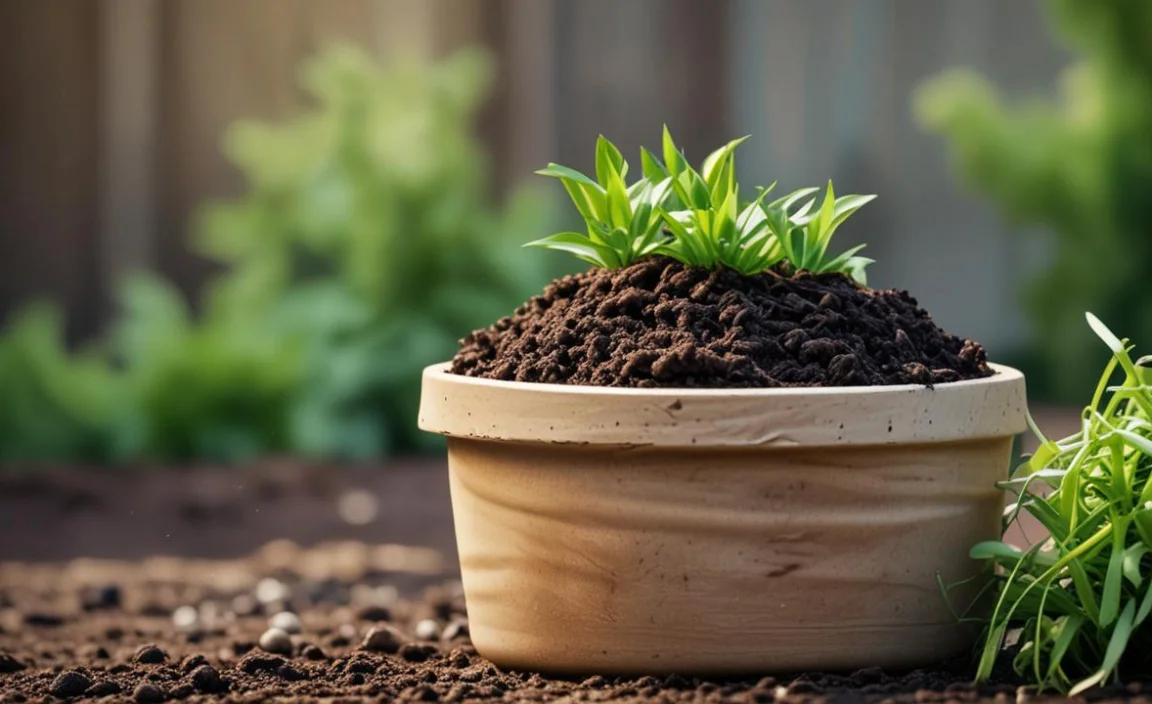
To calculate how much compost you need for your garden, you first need to measure your garden size. This is usually done in square feet. Do you know how to measure? Grab a tape measure and measure the length and width of your garden. Multiply these two numbers for the total area.
Next, decide how deep you want to add compost. A depth of about 2 to 4 inches is usually good. Convert this depth into feet. For example, 2 inches equals 0.17 feet. Now, multiply your garden area by the compost depth. This gives you the total volume of compost needed in cubic feet.
Here’s a simple formula:
Area (sq ft) x Depth (ft) = Volume (cubic ft)
- Measure your garden’s length and width.
- Choose depth for your compost layer.
- Convert depth into feet for easy calculation.
- Multiply area by depth for total volume.
- Use the formula for accurate compost needs.
Understanding these steps makes compost calculation easy. Many gardeners make this mistake: they forget to measure. When you measure and calculate, your garden will thrive!
Fun Fact or Stat: Did you know compost can reduce the need for chemical fertilizers?
Why Use Compost in Your Garden?
Have you ever wondered why gardeners love compost? Compost is full of nutrients. It helps plants grow strong. Many gardeners say compost is like magic. It not only feeds plants but also improves soil structure. Healthy soil means healthy plants.
Compost also helps retain moisture. This means your garden needs less water. Imagine watering your plants less often! This can save you time and effort. Compost also attracts helpful worms and insects. These critters help aerate the soil. This makes it easier for roots to grow.
- Compost provides essential nutrients for plants.
- It improves soil structure for better growth.
- Helps retain moisture for less watering.
- Attracts beneficial organisms to your garden.
- Reduces the need for chemical fertilizers.
Adding compost is a win-win for your garden. The more you use, the better your plants grow. So, consider adding compost to your gardening toolbox!
Fun Fact or Stat: Compost can reduce soil erosion by improving soil structure.
Different Types of Compost
Did you know there are many types of compost? Each type has its own benefits. Some composts break down faster. Others take time but are very rich in nutrients. Let’s explore these types.
First, there’s kitchen compost. This is made from food scraps. You can use vegetable peels, coffee grounds, and eggshells. These scraps break down quickly and are great for your plants.
Next, we have yard waste compost. This comes from leaves, grass, and branches. It takes longer to break down but adds rich nutrients to the soil.
There’s also store-bought compost. This is an option for those who don’t want to compost at home. It’s ready to use and offers good quality.
- Kitchen compost is great for quick nutrients.
- Yard waste compost adds rich organic matter.
- Store-bought compost is convenient and easy.
- Worm compost is nutrient-rich and fast-acting.
- Leaf mold improves soil drainage and structure.
Knowing the different types helps you choose the best one. Each type can help your plants grow strong and healthy.
Fun Fact or Stat: Worm compost can improve plant growth by up to 25%.
How To Make Your Own Compost
Wouldn’t it be fun to make your own compost? It’s easy and rewarding. You can recycle kitchen scraps and yard waste. This helps the environment too! Start by choosing a compost bin. You can buy one or make your own.
Next, add green and brown materials. Green materials are things like vegetable scraps. Brown materials include dried leaves and cardboard. Aim for a 1:3 ratio. That means one part green to three parts brown.
Turn your compost regularly. This helps it break down faster. After a few months, you’ll have rich compost to use in your garden. It’s like creating gold for your plants!
- Choose a compost bin for easy composting.
- Add a mix of green and brown materials.
- Maintain a proper ratio for best results.
- Turn your compost regularly to speed up decomposition.
- Use finished compost to enrich your garden soil.
Making your own compost is fun and saves money. Plus, you reduce waste. It’s a great way to help the earth.
Fun Fact or Stat: Composting can reduce landfill waste by up to 30%.
Compost and Soil Health
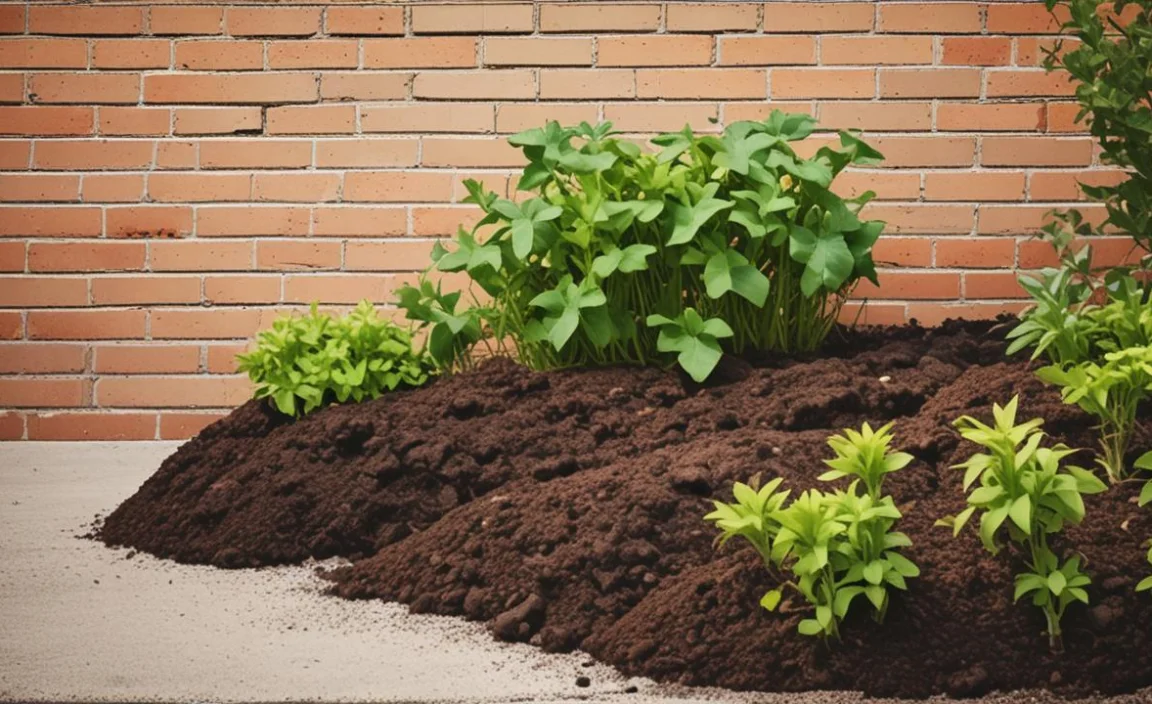
How does compost affect soil health? Well, healthy soil is full of life. It has bacteria, fungi, and insects. These organisms help break down organic matter. They also make nutrients available for plants. Compost is key to keeping soil healthy.
When you add compost, you increase organic matter in the soil. This improves soil texture and drainage. Plants can grow their roots better in healthy soil. A strong root system means healthier plants.
Good soil also helps fight diseases. It makes it harder for harmful pests to survive. By using compost, you create a thriving ecosystem in your garden.
- Compost improves soil texture for better growth.
- It increases water retention in sandy soils.
- Healthy soil helps plants fight diseases.
- Compost attracts beneficial insects for pollination.
- It aids in nutrient availability for plants.
The health of your soil directly affects your garden’s success. Use compost to build that healthy soil!
Fun Fact or Stat: Healthy soil can grow crops with fewer fertilizers.
Measuring Compost for Flower Beds
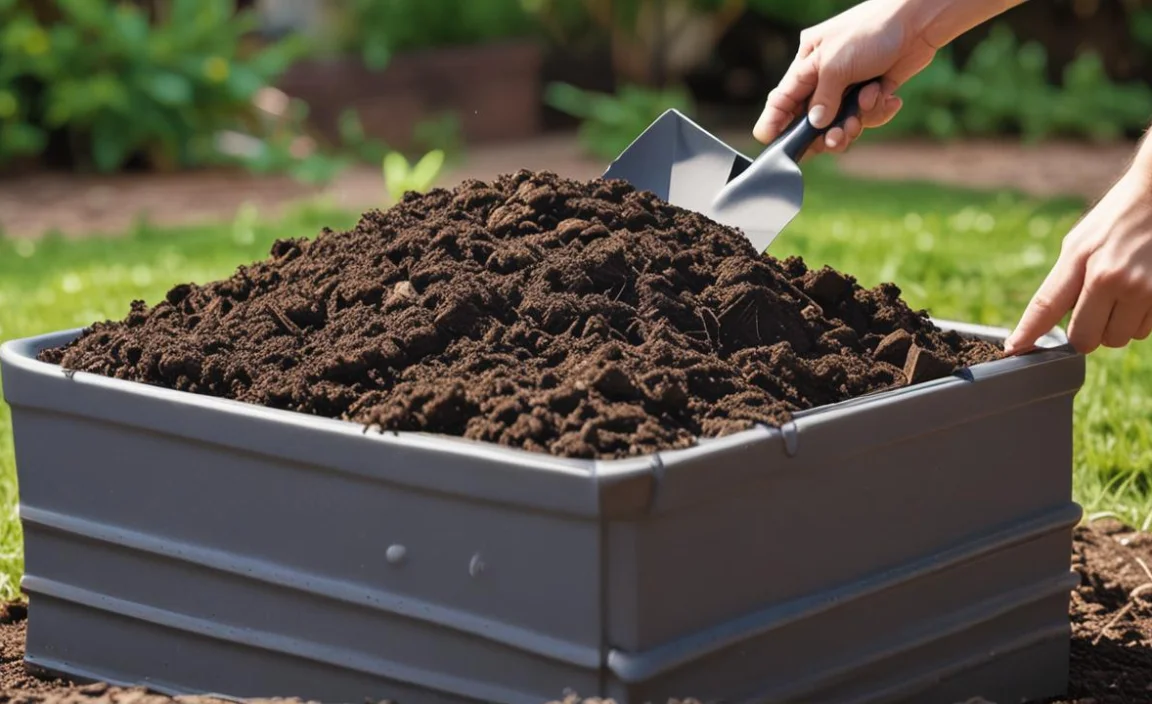
How is measuring compost different for flower beds? Flower beds have different needs than vegetable gardens. They usually need more organic matter to support blooming plants. This means adding a thicker layer of compost.
Start by measuring the area of your flower bed. Use the same method as before. Multiply the length by the width. Then, decide how deep to apply compost. A depth of 3 to 4 inches is best for flowers.
Remember, flowers can benefit from rich compost. This helps them bloom beautifully.
- Flower beds may need thicker compost layers.
- Measure accurately for the best results.
- Opt for nutrients suitable for flowering plants.
- Consider composting herbs alongside flowers.
- Use organic compost for healthier blooms.
Using compost in flower beds can lead to vibrant colors. Your flowers will thank you with their beauty!
Fun Fact or Stat: Adding compost can double flower production in some plants.
Compost Benefits for Vegetable Gardens
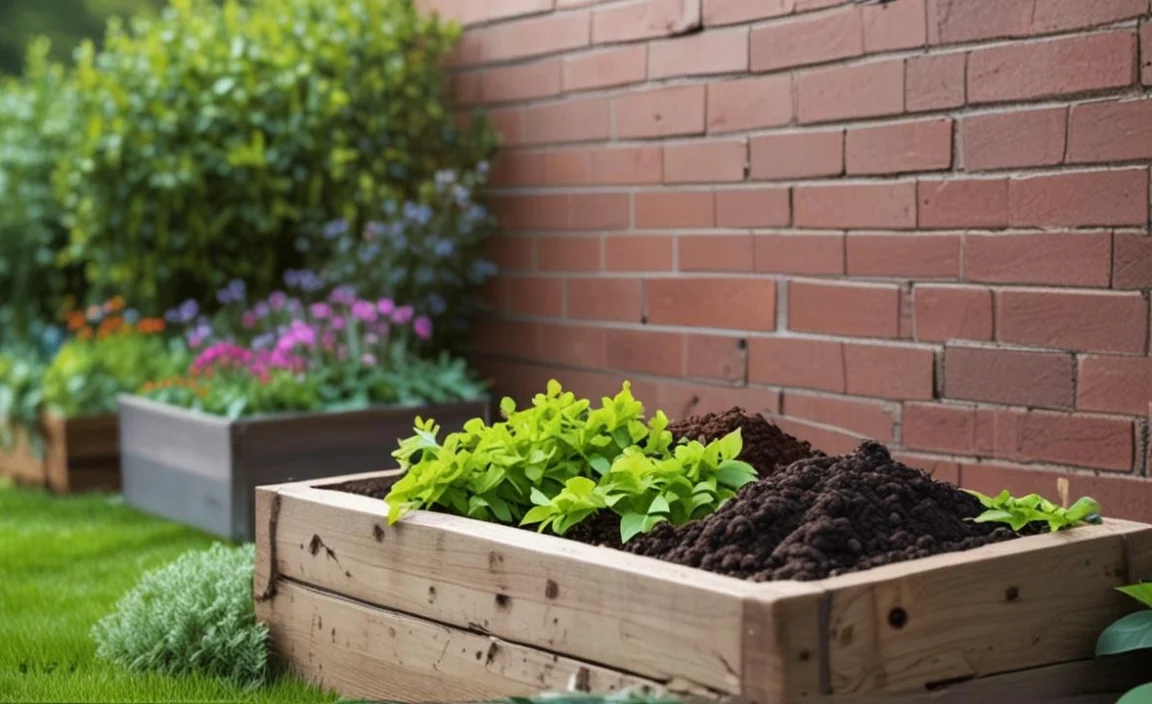
Why is compost great for vegetable gardens? Vegetables need lots of nutrients to grow. Compost provides these nutrients naturally. When you add compost, you create a nutrient-rich environment. This helps vegetables grow faster and taste better.
Also, compost improves soil structure. It makes it easier for roots to spread out. Strong roots mean bigger, healthier vegetables. Compost also helps retain moisture. This means less watering for you!
Additionally, compost can help prevent pests. Healthy plants are less likely to attract harmful insects.
- Compost boosts nutrient levels in vegetable gardens.
- It improves soil structure for better growth.
- Healthy soil retains moisture for less watering.
- Compost can deter harmful pests and diseases.
- Vegetables grown with compost often taste better.
Using compost in your vegetable garden is a smart choice. Your veggies will thrive, and your taste buds will thank you!
Fun Fact or Stat: Compost can increase vegetable yield by 20-40%.
Summary
Calculating how much compost you need for your garden is essential. Start by measuring your garden size. Then decide how deep to apply the compost. The right amount of compost can make your garden grow healthy and strong. Compost provides nutrients, improves soil health, and helps plants flourish. Whether you have a vegetable or flower garden, compost is beneficial. Remember to measure accurately and choose the right type of compost for your needs.
Conclusion
In conclusion, learning how to calculate how much compost you need for a garden is vital for success. With the right amount, your plants will grow healthy and strong. Compost enriches the soil and helps retain moisture. It’s an easy way to make your garden thrive. So grab your tape measure and start calculating today!
Frequently Asked Questions
Question No 1: How do I measure my garden for compost?
Answer: To measure your garden, use a tape measure. Measure the length and width in feet. Then multiply these two numbers to get the area in square feet. This helps you understand how much compost to add. Remember to calculate the depth you desire for the compost layer as well!
Question No 2: Can I use kitchen scraps for compost?
Answer: Yes, kitchen scraps are excellent for compost! You can use vegetable peels, coffee grounds, and eggshells. These materials break down quickly and add nutrients to your compost. Just remember to balance them with brown materials like leaves.
Question No 3: How do I know how much compost to use?
Answer: You can calculate how much compost you need based on your garden size. Measure the area in square feet and decide on the depth. Multiply these two numbers together to find the volume of compost needed in cubic feet. This will guide you in using the right amount.
Question No 4: What is the best compost for my flowers?
Answer: The best compost for flowers is organic compost. It provides essential nutrients and improves soil structure. You can also use compost made from kitchen scraps or yard waste. A good compost will help your flowers bloom beautifully and stay healthy.
Question No 5: How often should I add compost to my garden?
Answer: It’s good to add compost once a year. You can do this in the spring before planting. If you notice your soil looks depleted, consider adding more compost. This keeps nutrients available for your plants throughout the growing season.
Question No 6: Can compost help with pest control?
Answer: Yes, compost can help with pest control! Healthy plants are less likely to attract harmful insects. Compost enriches the soil, making plants stronger. Stronger plants are better at resisting pests and diseases, leading to a healthier garden.

