Compost tea is a special liquid made from compost. Many gardeners use it to help their plants grow. But did you know there are two types of compost tea? One is made with air, and the other is made without air. These two kinds have different processes and benefits. Learning about the differences between aerobic and anaerobic compost tea can help you choose the right one for your garden.
Aerobic compost tea uses air to help beneficial bacteria grow. This type of tea is rich in nutrients. It is usually brewed for 24 to 48 hours. On the other hand, anaerobic compost tea is made without air. This kind of tea can take longer to brew and may have a stronger smell. Each type has its good and bad points. Knowing these can help you decide which one suits your needs.
Key Takeaways
- Aerobic compost tea needs air for healthy bacteria.
- Anaerobic compost tea does not require air.
- The differences between aerobic and anaerobic compost tea are important.
- Aerobic tea is usually quicker to make than anaerobic tea.
- Both types can benefit your garden in different ways.
Understanding Aerobic Compost Tea

Aerobic compost tea is made by adding air. This helps good bacteria thrive. The brewing process usually takes about 24 to 48 hours. Many gardeners prefer this method. It creates a rich, nutritious tea that plants love. Aerobic compost tea also smells fresh and pleasant. This tea helps improve soil health and plant growth. It provides essential nutrients like nitrogen, phosphorus, and potassium.
- Uses air to grow beneficial bacteria.
- Typically brews in 24 to 48 hours.
- Has a pleasant smell.
- Rich in nutrients for plant growth.
- Improves soil health over time.
Many plants respond well to aerobic compost tea. It helps them grow stronger and healthier. The nutrients in this tea feed the plants directly. This method also encourages earthworms and other beneficial soil creatures. These creatures help to break down organic matter, enriching the soil further. Overall, aerobic compost tea is a great choice for many gardeners.
Fun Fact or Stat: Aerobic compost tea can contain millions of beneficial bacteria per teaspoon!
How to Make Aerobic Compost Tea
Making aerobic compost tea is simple. First, start with good compost. You can use kitchen scraps, yard waste, and more. Fill a bucket with water. Next, add the compost to a mesh bag. Submerge the bag in water. Attach an aquarium pump to add air. Let it brew for one to two days. Make sure to stir it occasionally. After brewing, your tea is ready to use!
Benefits of Aerobic Compost Tea
Aerobic compost tea offers many benefits. It can improve plant growth and health. This tea strengthens plants, making them resistant to diseases. It also enriches the soil with nutrients. Additionally, it helps with soil aeration. Healthy soil promotes better root growth for plants. You can use this tea on vegetables, flowers, and more.
Common Mistakes When Brewing Aerobic Tea
Some gardeners make mistakes while brewing aerobic compost tea. One mistake is using poor-quality compost. This can lead to weak tea and fewer nutrients. Another common error is not stirring the tea. Regular stirring keeps the oxygen levels balanced. Lastly, brewing for too long can create an unpleasant smell. It’s best to follow the instructions carefully for great results.
Exploring Anaerobic Compost Tea
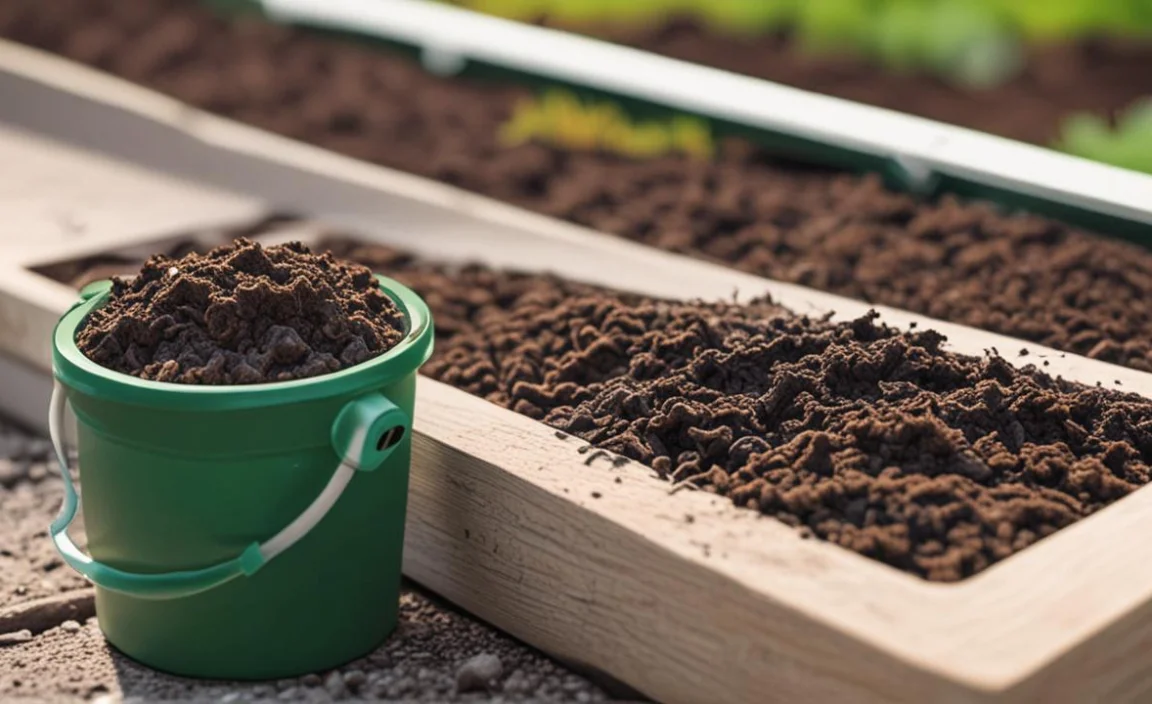
Anaerobic compost tea is made without air. This type often has a strong smell. The brewing process can take longer, usually about a week or more. Despite this, some gardeners like anaerobic tea for its unique benefits. It contains different types of bacteria and fungi. These can be helpful for certain plants. Anaerobic compost tea can break down organic matter in a different way. It also helps to improve soil structure over time.
- Brews without air for different bacteria.
- Typically takes longer to brew.
- Can have a strong, earthy smell.
- Contains fungi that can be helpful.
- Improves soil structure in unique ways.
Anaerobic compost tea may not be for everyone. Some people might dislike the smell. However, it does have unique advantages. This tea can help with soil health and plant growth. It introduces different microbial life into the soil. This life can break down organic materials and nutrients differently. Some plants may respond better to this type of tea.
Fun Fact or Stat: Anaerobic compost tea can contain diverse microorganisms, including beneficial fungi!
How to Make Anaerobic Compost Tea
Making anaerobic compost tea is different from aerobic tea. Start with a container that can seal tightly. Fill it with water and add good-quality compost. Seal the container tightly to keep out air. Let it sit for several days to a week. This allows the microorganisms to grow. After brewing, you can use the tea directly on your plants. Just be ready for a stronger smell!
Benefits of Anaerobic Compost Tea
Anaerobic compost tea has several benefits. It can improve soil health and structure. This tea also introduces different microorganisms to your garden. These can help break down organic materials, providing nutrients. Some gardeners find it effective for specific plant types. It can also help with soil moisture retention. Overall, anaerobic tea has its place in gardening.
Common Misconceptions About Anaerobic Tea
Many people have misconceptions about anaerobic compost tea. Some think it is bad for plants because of the smell. However, this tea can be beneficial if used correctly. Others believe it takes too long to brew. While it does take more time, the results can be worth it. Lastly, some think it is too complicated to make. In reality, it is a simple process with a little patience.
Differences Between Aerobic and Anaerobic Compost Tea

The main differences between aerobic and anaerobic compost tea lie in their brewing methods. Aerobic tea uses air, while anaerobic tea does not. This key difference affects the type of microorganisms that grow. Aerobic tea usually has a fresh smell, while anaerobic tea can smell quite strong. The brewing times are different too. Aerobic tea takes about one to two days, while anaerobic tea takes about a week or more.
- Aerobic tea uses air; anaerobic does not.
- Brewing time for aerobic is shorter than anaerobic.
- Aerobic tea has a fresh smell; anaerobic may smell strong.
- Aerobic contains more bacteria; anaerobic may have more fungi.
- Different plants may respond better to each type.
Knowing these differences can help you choose the right compost tea. If you want quick results, aerobic tea is a great choice. But if you are looking for specific benefits, anaerobic tea might be for you. Understanding the differences between aerobic and anaerobic compost tea will make you a better gardener.
Fun Fact or Stat: The bacteria in aerobic tea can double every 20 minutes!
Choosing the Right Type for Your Plants
Choosing the right compost tea depends on your plants. Some plants love the nutrients from aerobic tea. Others may thrive with the unique properties of anaerobic tea. It’s important to consider what you want for your garden. If you have a variety of plants, you might try both types. Observe how they respond to each tea. This will help you tailor your approach.
How Each Type Affects Soil Health
Each type of compost tea affects soil health differently. Aerobic tea helps add nutrients and beneficial bacteria quickly. This can improve soil health over time. Anaerobic tea can also enhance soil health, but in a different way. It adds diverse microorganisms that break down organic matter. This can create a rich soil environment. Both types play an important role in maintaining healthy soil.
Using Each Type in Different Seasons
The season can influence your choice between the two types. In spring, aerobic compost tea is great for new growth. It helps provide nutrients to young plants. In summer, you might use anaerobic tea for established plants. It can help them find nutrients in the soil. In fall, both types can enrich the soil for winter. This prepares it for the next growing season.
Comparing Aerobic and Anaerobic Compost Tea
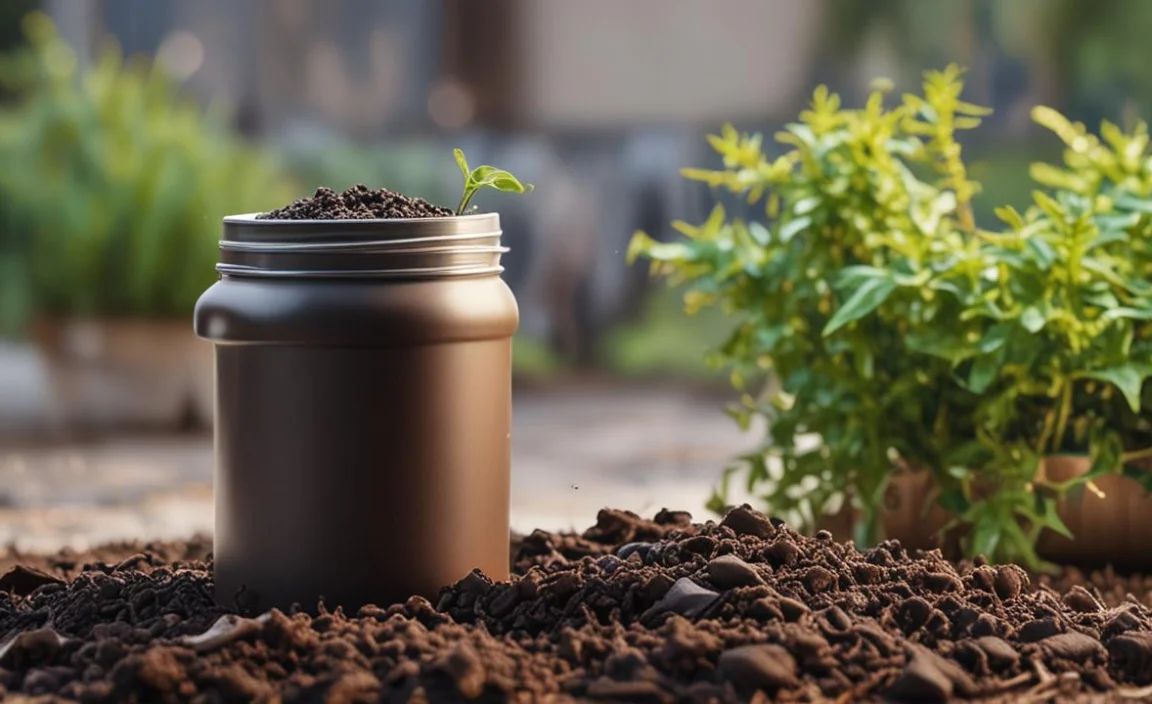
A helpful way to understand the differences is through comparison. The following table shows key points about both types of compost tea.
| Feature | Aerobic Compost Tea | Anaerobic Compost Tea |
|---|---|---|
| Air Requirement | Requires air | No air needed |
| Brewing Time | 24-48 hours | 1 week or more |
| Smell | Fresh smell | Strong smell |
| Microorganisms | More bacteria | More fungi |
Understanding these features can help in your gardening journey. Knowing when and how to apply both types can enhance your garden’s health.
Fun Fact or Stat: Aerobic compost tea can be used every two weeks for best results!
Effects on Plant Growth
Both types of compost tea can help plants thrive. Aerobic tea boosts growth quickly. It provides immediate nutrients, making plants strong. Anaerobic tea works differently. It introduces different microbes. These can improve soil over time, leading to healthier plants. Each method has unique effects. Observing your plants will guide your use of each type.
Environmental Impact of Each Type
The environmental impact of compost tea varies as well. Aerobic compost tea can help improve biodiversity in your garden. It supports many beneficial organisms in the soil. Anaerobic compost tea, while beneficial, can also release gases. This can affect air quality in some situations. It’s important to use both types responsibly to minimize any negative effects.
Best Practices for Using Compost Tea
To get the most out of your compost tea, follow best practices. Always use high-quality compost. This will make better tea. Brew it for the right time and remember to stir aerobic tea. Use it when plants need nutrients most, like during growing seasons. Test your soil to see which tea suits your plants best.
Summary
Understanding the differences between aerobic and anaerobic compost tea can help gardeners. Aerobic tea uses air and brews quickly, while anaerobic tea does not require air and takes longer. Each type has its own benefits and uses. Knowing which tea suits your plants can enhance their health and growth. It’s important to experiment and see what works in your garden.
Conclusion
In conclusion, the differences between aerobic and anaerobic compost tea are important. Each type has its benefits for plants and soil health. Aerobic tea is quick and fresh-smelling, while anaerobic tea is unique and offers different microbes. Experimenting with both can lead to a healthier garden. Choose the right compost tea for your needs.
Frequently Asked Questions
Question No 1: What is compost tea?
Answer: Compost tea is a liquid made by soaking compost in water. It helps plants grow by providing nutrients. People make it in two ways: aerobic and anaerobic. Aerobic tea uses air and is quick to brew. Anaerobic tea does not use air and takes longer. Knowing the differences between aerobic and anaerobic compost tea can help you choose the best one.
Question No 2: How can I tell if my compost tea is aerobic?
Answer: You can tell if your compost tea is aerobic by its smell. Aerobic compost tea smells fresh and pleasant. It also bubbles due to air. If your tea smells strong and sour, it might be anaerobic. Pay attention to the brewing time too. Aerobic tea usually brews in 24 to 48 hours. Knowing the differences between aerobic and anaerobic compost tea will help you recognize them.
Question No 3: Can I use both types of compost tea together?
Answer: Yes, you can use both types of compost tea together! Some gardeners find that combining them works well. Each type has unique benefits. Aerobic tea provides nutrients quickly, while anaerobic tea offers different microorganisms. This can lead to better plant health. Just be sure to observe how your plants respond. Understanding the differences between aerobic and anaerobic compost tea will help you get the best results.
Question No 4: How often should I use compost tea?
Answer: You can use compost tea every two to four weeks. Aerobic compost tea can be used more often because it is ready quickly. Anaerobic compost tea may be used less frequently due to its brewing time. Always check your plants and soil conditions. This will help you decide how often to apply it. Knowing the differences between aerobic and anaerobic compost tea can help with your schedule.
Question No 5: Is compost tea safe for all plants?
Answer: Yes, compost tea is generally safe for most plants. However, different plants may respond differently to each type. Aerobic tea usually works well for many types of plants. Anaerobic tea can benefit certain plants more. It is best to observe how your plants react. This will help you understand which tea they prefer. Knowing the differences between aerobic and anaerobic compost tea helps you make informed choices.
Question No 6: What should I do if my compost tea smells bad?
Answer: If your compost tea smells bad, it might be anaerobic. Anaerobic tea can have a strong odor. If you prefer a fresher smell, try brewing aerobic tea. This type smells pleasant and is rich in nutrients. You can also check your brewing methods. Ensure you are using quality compost and the right conditions. Knowing the differences between aerobic and anaerobic compost tea will help you troubleshoot issues.

