Composting is a great way to recycle food scraps and yard waste. It helps create rich soil for gardens. But did you know that compost can sometimes get too hot? When this happens, it can catch fire. This might sound surprising, but it is true. Understanding what happens when compost gets too hot and catches fire is important for safety and effective composting.
Many people don’t realize that compost piles can heat up. They might think it is just dirt. In reality, composting involves a lot of bacteria and microorganisms. These tiny helpers break down the organic matter. They create heat as they work. If the pile gets too hot, it can lead to problems. Fire is one of those problems. So, what can you do to keep your compost pile safe? Let’s find out!
Key Takeaways
- Too much heat can cause compost to ignite.
- Regularly turning compost can keep temperatures down.
- Wet compost cools down better than dry compost.
- Understanding compost heat helps prevent fires.
- Monitor your compost to avoid dangerous situations.
What Happens When Compost Gets Too Hot?
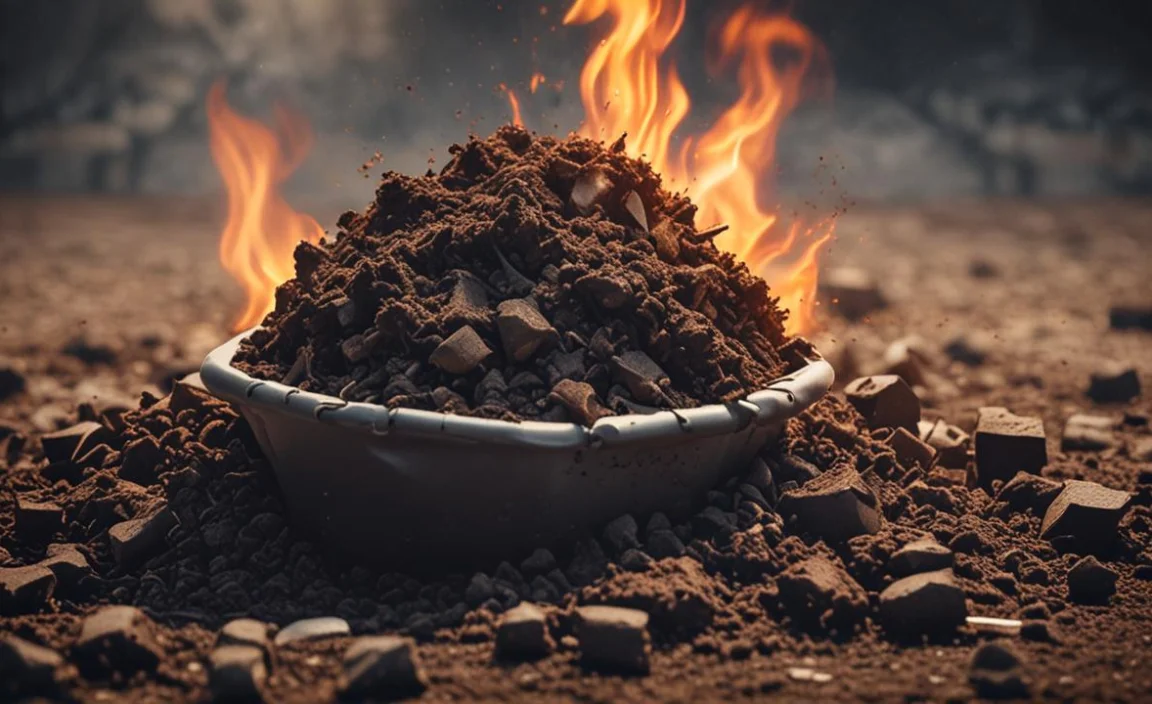
When compost gets too hot, a few things can occur. First, the bacteria that break down the materials work harder. This creates even more heat. If the temperature goes beyond 160°F, it can become dangerous. The compost can dry out. When it does, it may catch fire. This is why knowing what happens when compost gets too hot and catches fire is essential for every composter.
- Compost should stay between 130°F and 160°F.
- High temperatures kill harmful bacteria.
- Heat makes the compost break down faster.
- Too much heat can cause a fire.
- Cooler compost is safer and healthier.
Keeping your compost at a safe temperature is very important. If it gets too hot, the risk of fire increases. Regularly checking the temperature helps you manage the heat. You can use a compost thermometer for this task. Keeping the compost pile moist can help, too. Water cools it down and keeps it working efficiently. Always be cautious and aware of the risks involved.
Fun Fact or Stat: The ideal compost temperature is between 130°F and 160°F!
Signs Your Compost Is Too Hot
Have you ever touched a compost pile? You might notice it feels warm. But how do you know if it’s too hot? One sign is steam rising from the pile. This means the heat is high. Another sign is a bad smell. If it smells burnt, your compost is likely too hot. Understanding these signs helps prevent fires. Keeping an eye on your compost can help you catch problems early.
How to Cool Down Your Compost
Cooling down a hot compost pile is important. First, you can turn the compost. Turning it mixes the materials and helps air circulate. This cools down the pile. You can also add water. Wet compost cools better than dry compost. If the heat stays high, consider removing some material. This creates more space and lowers temperatures. These actions help keep your compost safe and healthy.
What to Do if Your Compost Gets Too Hot
If your compost gets too hot, act quickly. First, check the temperature with a thermometer. If it exceeds 160°F, take action. Turn the pile to allow air to flow. Adding water can also help cool it down. If you notice smoke or flames, call for help immediately. It’s better to be safe than sorry. Always keep a close eye on your compost pile.
What Happens When Compost Catches Fire?
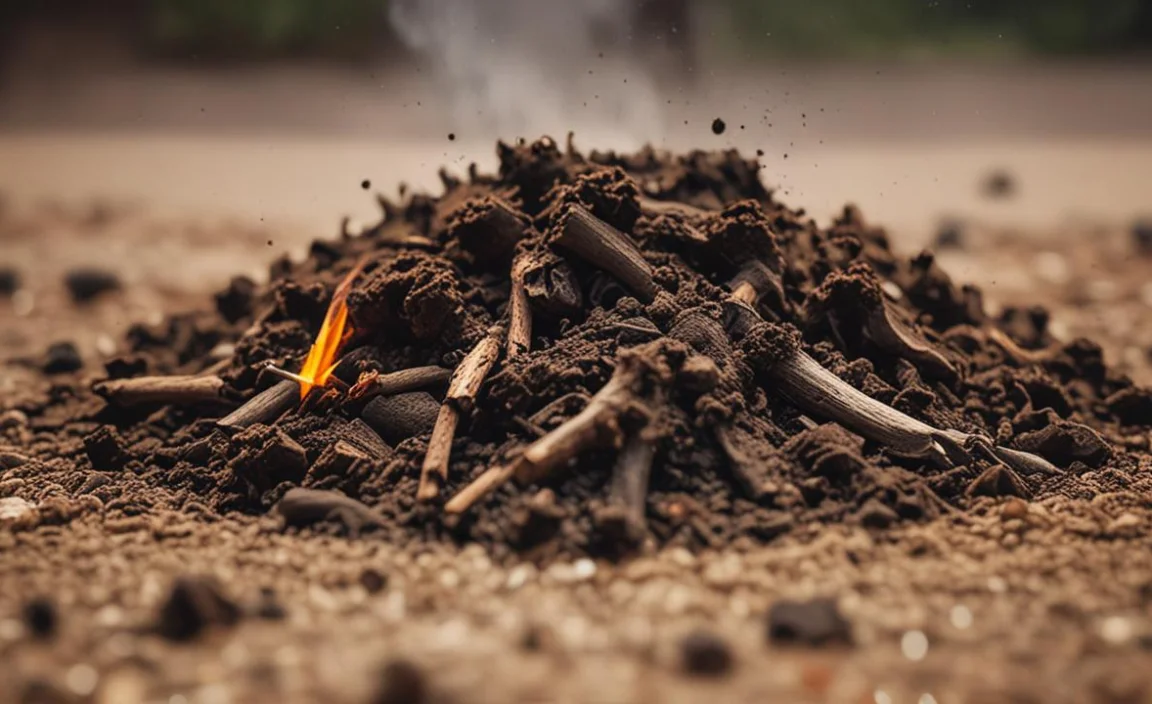
When compost catches fire, it can be very dangerous. The fire can spread quickly depending on what is nearby. It can damage property and pose risks to people. A compost fire can release harmful smoke and gases. This can affect air quality. Knowing what happens when compost gets too hot and catches fire is vital for everyone who composts. Understanding this helps you stay safe.
- Fires can start from hot compost piles.
- Flammable materials increase fire risk.
- Fires release smoke and harmful gases.
- Always keep water nearby when composting.
- Be aware of fire safety rules.
Compost fires can happen suddenly. A small spark can ignite a whole pile. To prevent this, always monitor your composting process. Avoid adding flammable materials such as paper or cardboard. Keep your compost pile at a safe temperature. Regularly mixing the pile can help prevent hotspots. A little attention goes a long way in keeping things safe.
Fun Fact or Stat: Compost fires can burn at temperatures over 200°F!
How to Prevent Compost Fires
Preventing compost fires is very important. First, keep your compost pile well-aerated. This means mixing it often. More air helps cool the pile down. Second, avoid adding materials that catch fire easily. Materials like dry leaves and paper can be risky. Always keep your compost moist. Wet compost is less likely to catch fire. Regular monitoring helps keep everyone safe.
What to Do During a Compost Fire
If you find your compost pile on fire, stay calm. First, call for help. Firefighters have the tools to handle the situation. If safe, use water to put out small flames. You can also turn the pile to help cool it down. Make sure everyone stays at a safe distance. Knowledge and safety come first in these cases. It’s always better to be careful with fire.
Impact of Fire on Compost Quality
Fires can change the quality of compost. When temperatures rise too high, beneficial microorganisms can die. This prevents proper decomposition. A compost fire can also create ash. Ash can be useful, but too much can harm soil. It’s important to balance everything. The goal of composting is to create rich soil. Staying aware of fire risks helps keep your compost healthy and effective.
How to Keep Your Compost Pile Safe
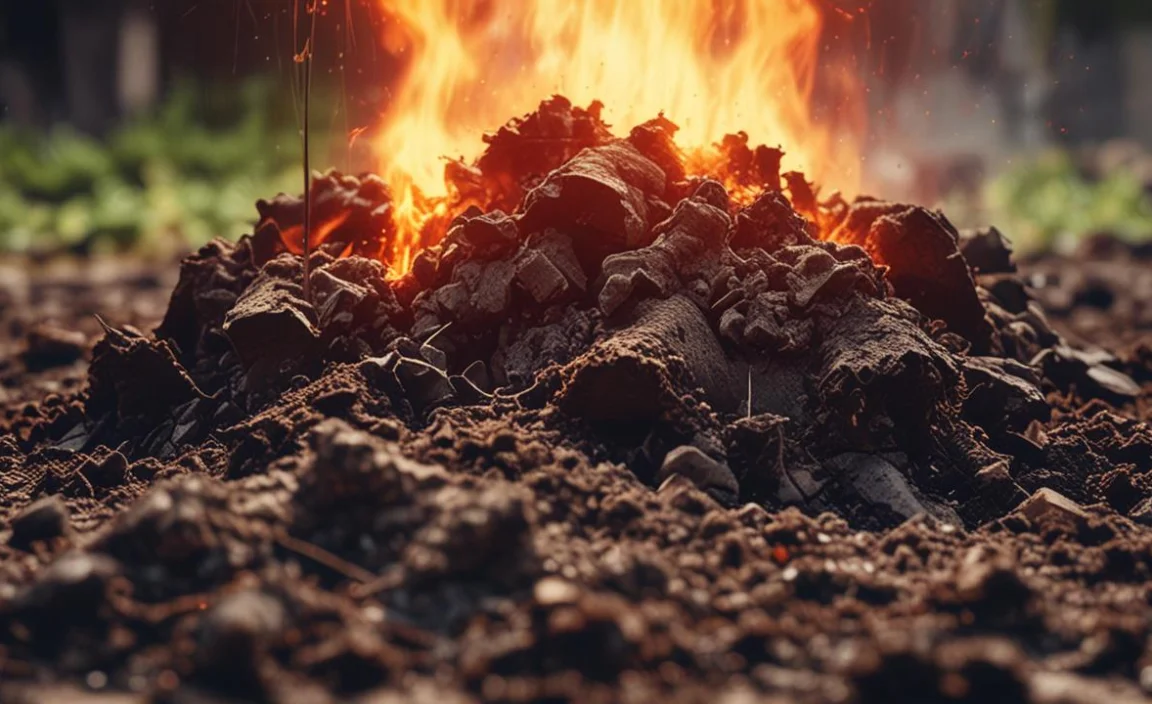
Keeping your compost pile safe requires regular maintenance. First, check the temperature often. Use a reliable thermometer. If it goes above 160°F, take action. Second, ensure proper mixing for airflow. Turning the pile every few weeks helps a lot. Moisture is also key. Always add water when the compost feels dry. These steps help you manage temperature and keep your compost safe.
- Check the temperature regularly with a thermometer.
- Mix the compost every few weeks for airflow.
- Keep your compost pile moist but not soggy.
- Avoid adding flammable materials to the pile.
- Monitor the pile for any unusual smells or signs.
Keeping your compost pile safe involves regular checks and balances. Understanding how heat affects compost is essential. With a little care, you can create healthy compost without any fire risks. This will help your plants grow strong and healthy. Always remember: safety first! You can enjoy composting without worrying about fires.
Fun Fact or Stat: The best composting temperatures are between 130°F and 160°F!
Tools for Managing Compost Temperature
There are many tools that can help you manage compost temperature. A compost thermometer is one of the best. It helps you know when the pile gets too hot. You can also use a shovel to turn the pile. This mixes materials and keeps air flowing. A hose can help you add water. Keeping these tools handy makes composting easier and safer.
Importance of Monitoring Compost
Monitoring compost is very important for success. It helps you catch problems before they escalate. You can notice when temperatures rise too high. Regular checks also let you see if the compost is breaking down properly. This ensures soil quality for your garden. Keeping an eye on your compost makes you a better composter!
Benefits of Proper Compost Management
There are many benefits to managing your compost well. First, good management leads to healthy soil. Healthy soil means strong plants and a better garden. Second, it reduces the risk of fires. You’ll feel more confident when composting. Lastly, proper management makes the composting process faster. You can create rich compost in less time. This means you’ll enjoy all the benefits sooner!
What Happens When Compost Cools Down?
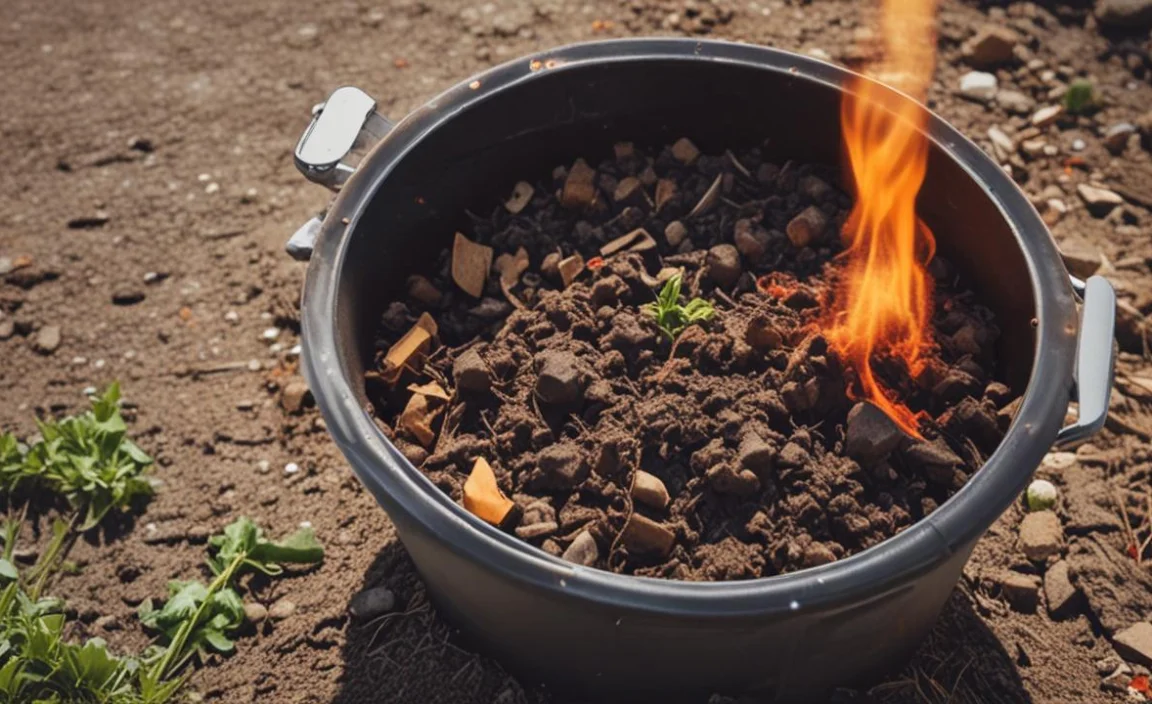
When compost cools down, several changes occur. First, the bacteria slow down their activity. This means the decomposition process takes longer. If it cools too much, it can stop. This is not what we want! Knowing what happens when compost gets too hot and catches fire helps you maintain a balance. The goal is to keep the compost working effectively.
- Decomposition slows down as temperatures drop.
- Healthy compost should have consistent temperatures.
- Cooled compost may require turning to reheat.
- Moisture helps keep compost active.
- Regular checks maintain an ideal composting environment.
Keeping compost at the right temperature ensures effective decomposition. When temperatures drop, the compost may need help getting back on track. Turning the pile can restore heat. Adding water can also help. These steps help create a healthy composting environment. Regular monitoring is vital to keep things running smoothly.
Fun Fact or Stat: Composting can reduce waste by up to 30%!
Signs Your Compost Is Cooling Down
How do you know if your compost is cooling down? One sign is the lack of steam. If there is no steam, the heat may be too low. Another sign is a change in smell. Good compost should smell earthy. If it starts smelling bad, it may be cooling off. Being aware of these signs helps you maintain a healthy compost pile.
How to Reheat Your Compost Pile
Reheating a compost pile is very important. First, check the moisture level. If it is too dry, add some water. Then, turn the pile to mix materials. This helps air circulate and raises the temperature. You can also add fresh green materials like grass clippings. This boosts the heat and helps the compost work better. Keeping the compost warm is crucial for a thriving garden.
Optimal Temperature Range for Composting
The optimal temperature range for composting is between 130°F and 160°F. Inside this range, beneficial bacteria thrive. They break down materials effectively. Composting outside this range slows down the process. If you keep an eye on the temperature, you can manage heat levels. Regularly checking helps maintain the ideal range. This leads to rich, high-quality compost for your garden.
Summary
Composting is a valuable skill for everyone. It helps reduce waste and improve soil quality. However, it’s crucial to know what happens when compost gets too hot and catches fire. High temperatures can lead to fires, which are dangerous. Regular monitoring and maintenance can help keep compost piles safe. With proper care, composting can be enjoyable and beneficial for your garden.
Conclusion
Composting is a great way to recycle waste and enrich soil. Understanding what happens when compost gets too hot and catches fire will keep you and your garden safe. Regular checks and maintenance are essential for successful composting. Enjoy the process and happy composting!
Frequently Asked Questions
Question No 1: What causes compost to get hot?
Answer: Compost gets hot when bacteria break down organic matter. As they work, they create heat. The process is part of decomposition. If the temperature rises too high, it can lead to a fire. Keeping compost at a safe temperature is crucial.
Question No 2: How can I tell if my compost is too hot?
Answer: You can tell if your compost is too hot by checking the temperature. A compost thermometer is helpful. If it goes above 160°F, it can be dangerous. You may also notice steam or a burnt smell. This is a sign to cool it down.
Question No 3: What should I do if my compost catches fire?
Answer: If your compost catches fire, call for help immediately. Firefighters are trained to handle such situations. If safe, you can use water to put out small flames. Always maintain a safe distance from the fire. Remember, safety is the top priority!
Question No 4: Can composting reduce waste?
Answer: Yes, composting can reduce waste by up to 30%. It recycles food scraps and yard waste. This keeps materials out of landfills. Healthy compost creates rich soil, which is great for gardens. Everyone can help by composting responsibly.
Question No 5: How often should I turn my compost?
Answer: You should turn your compost every few weeks. This helps aerate the pile and maintains heat. Turning also mixes materials for better decomposition. Regular turning keeps compost healthy and prevents issues. Aim for at least once a month for the best results!
Question No 6: What happens to bacteria when compost gets hot?
Answer: When compost gets hot, beneficial bacteria thrive. They help break down materials quickly. However, if the heat rises too high, some bacteria can die. This slows down composting and can lead to bad smells. Monitoring temperature is essential for a successful compost pile.

